You're looking to create a low-maintenance garden that's both beautiful and easy to care for. Start by selecting drought-tolerant plants like sedum, yarrow, and Russian sage that thrive with minimal watering. Next, consider efficient irrigation systems like drip irrigation and smart sensors to conserve water. Add a layer of mulch to suppress weeds and reduce maintenance. For a lawn alternative, try artificial turf or low-maintenance grass blends. And, don't forget to explore vertical gardening options and deer-resistant plant selection. As you begin designing your oasis, you'll discover even more ways to create a stunning, low-fuss garden that blooms with ease.
Drought-Tolerant Plants for Beginners
When you're new to gardening, it's essential to start with plants that can forgive your mistakes, and drought-tolerant plants are perfect for beginners. They're more lenient when it comes to watering, which means you can focus on learning the basics without worrying about your plants withering away. Plus, they're often low-maintenance, requiring less pruning, fertilizing, and pest control.
As you start selecting plants, consider the aesthetic you want to achieve in your garden. Drought-tolerant plants come in a variety of textures, colors, and shapes, allowing you to create a visually appealing landscape. Succulents, for example, add a modern touch with their sleek, structural shapes, while flowering plants like lantana and zinnia add a pop of color. Mixing and matching different plant types will create a unique, visually appealing garden that's both beautiful and resilient.
When it comes to plant selection, look for species that are native to dry regions or have adapted to thrive in arid conditions. These plants have evolved to conserve water, making them perfect for beginners. Some popular options include sedum, yarrow, and Russian sage. By choosing drought-tolerant plants, you'll not only reduce your water consumption but also create a stunning garden that requires minimal upkeep.
Efficient Irrigation System Design
When designing an efficient irrigation system for your low-maintenance garden, you'll want to focus on strategies that conserve water, incorporate smart technology, and utilize targeted watering methods. By doing so, you'll not only decrease your water bill but also guarantee your plants receive the right amount of moisture. In the following section, we'll explore water conservation strategies, the benefits of smart sensor technology, and the advantages of drip irrigation.
Water Conservation Strategies
Designing an efficient irrigation system is essential for minimizing water waste and reducing your water bill, and it starts with selecting the right type of irrigation system for your garden. You'll want to take into account factors like soil type, plant selection, and climate when choosing the best system for your garden.
Here are some water conservation strategies to take into account:
| Strategy | Description | Benefits |
|---|---|---|
| Rain Barrels | Collecting and storing rainwater for irrigation | Reduces potable water usage, decreases stormwater runoff |
| Grey Water | Reusing water from sinks, showers, and washing machines | Conserves potable water, reduces wastewater generation |
| Drip Irrigation | Delivering water directly to plant roots | Reduces evaporation, runoff, and water waste |
| Soil Moisture Sensors | Monitoring soil moisture levels to optimize irrigation | Prevents overwatering, reduces water waste |
| Mulching | Retaining soil moisture, suppressing weeds | Reduces evapotranspiration, conserves water |
Smart Sensor Technology
By incorporating smart sensor technology into your irrigation system, you can optimize water distribution and reduce waste by automatically adjusting to soil moisture levels, temperature, and other environmental factors. This innovative approach guarantees that your plants receive the right amount of water at the right time, eliminating overwatering and underwatering. Soil monitoring sensors, connected through wireless networks, continuously track soil conditions, sending real-time data to your irrigation controller. This allows for precise watering schedules, tailored to the unique needs of your garden. As a result, you'll conserve water, reduce your environmental footprint, and enjoy a lush, thriving garden with minimal maintenance. By leveraging smart sensor technology, you'll create a more sustainable and efficient irrigation system, perfect for busy gardeners and environmentally conscious individuals alike.
Drip Irrigation Benefits
You’ll reduce evaporation and runoff by up to 50% with a well-planned drip irrigation system, which delivers water directly to the roots of your plants, minimizing waste and ensuring they receive exactly what they need. This efficient irrigation system design is a game-changer for water efficiency, allowing you to conserve this precious resource while keeping your plants healthy and thriving. By targeting the roots, you’ll encourage deep root growth, which in turn promotes soil health and reduces the risk of erosion. With drip irrigation, you’ll also reduce the likelihood of fungal diseases that thrive in moist environments. As a result, you’ll enjoy a more resilient and sustainable garden that requires less maintenance and care. By adopting this water-efficient approach, you’ll not only save time and resources but also contribute to a more environmentally friendly gardening practice. So, take the first step towards a low-maintenance garden that serves both you and the planet. Additionally, incorporating ecofriendly dumpster disposal for garden waste ensures that organic materials are managed responsibly, further reducing your environmental footprint. By composting plant debris and disposing of waste in a sustainable manner, you can enhance soil fertility while minimizing landfill contributions. Combining drip irrigation with responsible waste management creates a truly sustainable gardening practice that benefits both your plants and the planet.
Mulch and Groundcover Strategies
Mulching and planting groundcovers are effective ways to suppress weeds and reduce garden maintenance. You'll be surprised at how much time and effort you'll save by incorporating these strategies into your garden design.
When it comes to mulch, aesthetics play a significant role. You can choose from a variety of materials, such as wood chips, bark, or gravel, to create a visually appealing landscape. Consider the color, texture, and theme of your garden when selecting a mulch type. For instance, if you have a rustic-themed garden, wood chips or bark might be a great choice.
Groundcovers, on the other hand, can add texture and pattern to your garden. You can use them to create intricate designs or simply to fill in gaps between plants. Some popular groundcover options include thyme, sedum, and creeping juniper.
Here's a comparison of some popular mulch and groundcover options:
| Option | Benefits |
|---|---|
| Wood Chip Mulch | Aesthetically pleasing, inexpensive, and easy to spread |
| Thyme Groundcover | Fragrant, drought-tolerant, and can handle foot traffic |
| Gravel Mulch | Good for drainage, visually appealing, and low maintenance |
| Sedum Groundcover | Spreads quickly, drought-tolerant, and attractive foliage |
Low-Maintenance Lawn Alternatives
Traditional lawns can be a high-maintenance nightmare, but fortunately, there are several low-maintenance lawn alternatives that can give you a beautiful outdoor space without all the fuss. If you're tired of mowing, watering, and fertilizing, consider these innovative solutions.
One popular alternative is artificial turf. This synthetic grass is durable, pet-friendly, and requires minimal upkeep. It's perfect for areas with high foot traffic or for those who want a lush, green lawn without the hassle. Plus, you can customize it with lawn ornaments, such as decorative stones or planters, to add visual interest.
Another option is to create a decorative gravel or decomposed granite area. These materials are low-maintenance, permeable, and can be paired with ornamental plants or Succulents (which we'll discuss later). You can also incorporate decorative elements like stepping stones, benches, or outdoor lighting to create a welcoming ambiance.
If you still want a natural look, consider a clover lawn or a low-maintenance grass blend. These options are eco-friendly, drought-tolerant, and require less mowing and watering. You can also add some lawn ornaments, like bird baths or statues, to create a serene atmosphere.
Succulent and Cactus Garden Ideas
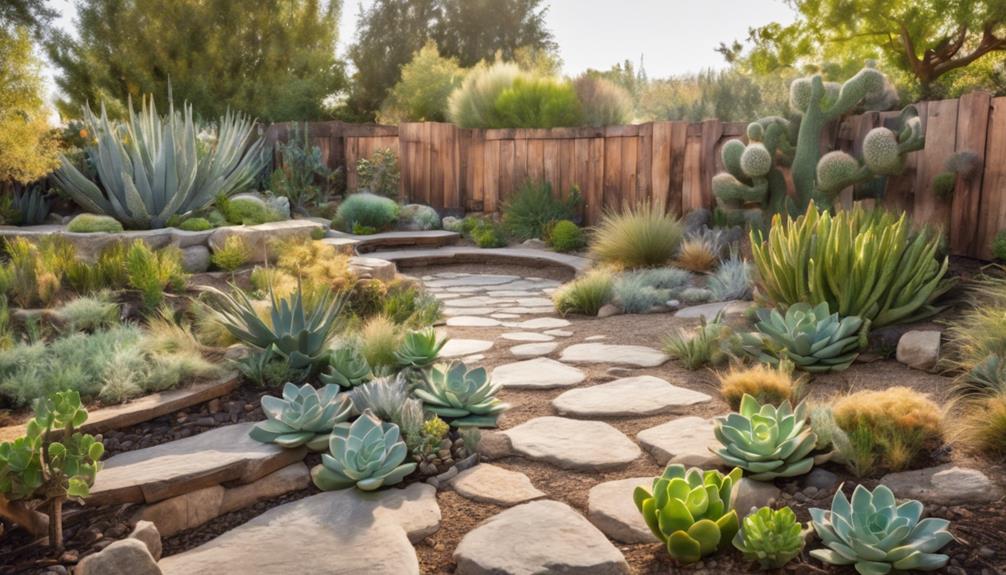
Incorporating succulents and cacti into your garden design adds a unique, low-maintenance touch, allowing you to create a striking visual display with minimal upkeep. These plants are perfect for busy individuals who want to enjoy a beautiful garden without spending hours tending to it. With succulents and cacti, you can create a Desert Oasis in your backyard, complete with vibrant colors and interesting textures.
One popular way to showcase succulents and cacti is in a Rock Garden. By using rocks and gravel as the base, you can create a visually appealing display that requires very little maintenance. You can also incorporate decorative stones, pebbles, or even seashells to add some personality to your garden. Plus, succulents and cacti come in a wide range of shapes, sizes, and colors, making it easy to find the perfect combination to fit your personal style.
When designing your succulent and cactus garden, be sure to choose plants that thrive in your local climate. You can also group plants by their watering needs, ensuring that you're not over- or under-watering your plants. With a little creativity and planning, you can create a stunning succulent and cactus garden that will add beauty and serenity to your outdoor space.
Space-Saving Vertical Gardening
By using wall-mounted planters, trellises, or living walls, you can create a thriving garden in even the smallest of spaces, maximizing your outdoor area’s potential. With space-saving vertical gardening, you can grow a lush oasis even in cramped urban spaces or tiny backyards. This innovative approach not only saves space but also adds visual interest to your outdoor area. By utilizing vertical structures, you can cultivate a diverse range of plants, from vibrant flowers to fresh herbs and vegetables, without sacrificing valuable ground space. Building a backyard garden in this way allows you to enjoy the benefits of gardening, such as improved air quality and a relaxing natural atmosphere, even in limited areas. Plus, incorporating creative planters and climbing plants enhances the overall aesthetic, making your outdoor space both functional and visually appealing.
Vertical planters are an excellent option for small gardens. You can hang them on walls, fences, or railings, providing ample space for herbs, succulents, or flowers. Look for self-watering planters or ones with built-in irrigation systems to minimize maintenance. For a more dramatic effect, consider installing garden walls, which can be custom-made to fit your space. These living walls can support a variety of plants, from air plants to vines, and can even help purify the air.
When designing your vertical garden, don't forget to consider the sunlight and watering needs of your chosen plants. Most plants require at least six hours of direct sunlight, so choose a spot that receives plenty of natural light. As for watering, you can install a drip irrigation system or soaker hose to deliver water directly to the roots, reducing evaporation and runoff.
Deer-Resistant Plant Selection
When designing your low-maintenance garden, you'll want to choose plants that can thrive despite the presence of deer, so select varieties that are naturally unappealing to these pesky critters. By doing so, you'll save yourself the hassle of dealing with damaged plants and frustrated wildlife. Deer tend to avoid plants with strong scents, bitter tastes, or prickly textures, so opt for species that fit these descriptions.
Native species are often a great choice, as they've co-evolved with local wildlife and have developed natural defenses against deer. Consider incorporating plants like lavender, rosemary, or sage, which are not only deer-resistant but also attract beneficial pollinators. When selecting plants, also think about the type of habitat you're creating. By incorporating a mix of native species, you'll be supporting local wildlife habitats and promoting biodiversity.
Minimalist Garden Pathway Design
When planning your minimalist garden pathway, you'll need to take into account a few key elements to create a beautiful and functional space. You'll need to select a pathway material that fits your style and maintenance goals, such as gravel or a gravel and stone mix. By choosing the right material and contemplating pathway width and curves, you'll be able to create a serene and inviting atmosphere in your low-maintenance garden.
Pathway Material Options
You'll have several pathway material options to choose from when designing a minimalist garden pathway, including gravel, brick, stone, and wood chips. Each material has its unique characteristics and benefits. For instance, gravel is a popular choice for its low maintenance and affordability. You can opt for decorative gravel, which comes in a variety of colors and textures, to add some visual appeal to your pathway.
If you're looking for a more rustic and natural look, rustic wood chips can be an excellent option. Wood chips are easy to install, and they can help suppress weeds, reducing the need for frequent maintenance. Plus, they add a warm, earthy feel to your garden.
When selecting a pathway material, consider factors like durability, drainage, and aesthetic appeal. Think about the overall style and theme of your garden and choose a material that complements it. By choosing the right pathway material, you'll create a beautiful and functional space that requires minimal upkeep.
Gravel and Stone Mix
Combining gravel and stone creates a visually appealing pathway that's both durable and low-maintenance, allowing you to achieve a minimalist garden design that exudes elegance and sophistication. This mix of materials offers a beautiful, natural look that blends seamlessly with your garden's surroundings. Plus, it's incredibly easy to maintain – simply rake the gravel occasionally to keep it looking its best.
To add an extra touch of sophistication, consider incorporating decorative edging around your pathway. This will not only add visual interest but also help to define the boundaries of your pathway. Additionally, the gravel and stone mix will help with weed suppression, reducing the need for frequent weeding and saving you time and effort.
When choosing your gravel and stone, select materials that complement your garden's color scheme and style. You can also experiment with different textures and sizes to create a unique, personalized look. By opting for a gravel and stone mix, you'll be able to enjoy a beautiful, low-maintenance pathway that enhances your garden's beauty while minimizing your workload.
Pathway Width and Curves
When designing your minimalist garden pathway, consider a width of 3-4 feet to create an intimate and inviting atmosphere. This narrower path encourages a slower pace, allowing you to fully appreciate the beauty of your garden. Wide paths, on the other hand, can make your garden feel more like a highway, disrupting the peaceful ambiance.
To create a visually appealing pathway, consider incorporating curves and meandering paths. These winding routes guide visitors through your garden, revealing hidden gems and creating a sense of discovery. Here are some benefits of incorporating curves and meanders:
- Softens the landscape: Curves and meanders break up the rigidity of straight paths, creating a more organic and natural look.
- Creates visual interest: Winding routes add visual appeal, encouraging visitors to explore and engage with your garden.
- Encourages exploration: Meandering paths invite visitors to slow down and appreciate the details of your garden, fostering a deeper connection with nature.
Frequently Asked Questions
Can I Create a Low-Maintenance Garden With Full Sun Conditions?
You're literally a thousand times more likely to succeed in creating a low-maintenance garden with full sun conditions! Since full sun means intense heat, you'll want to focus on drought tolerance when selecting plants. Prepare the soil by mixing in organic matter to improve its water-holding capacity. When you do, you'll be serving your garden (and the environment) by reducing the need for frequent watering. With these steps, you'll be on your way to a thriving, low-fuss garden that shines like a beacon of hope!
Will Using Native Plants Reduce the Need for Fertilizers?
You're wondering if using native plants will reduce the need for fertilizers. The answer is yes! Native varieties have adapted to thrive in local soil conditions, which means they're more efficient at absorbing nutrients. As a result, you'll notice improved soil health, and the need for fertilizers will decrease. By choosing native plants, you're not only reducing maintenance but also supporting the local ecosystem. It's a win-win for you and the environment!
Do Low-Maintenance Gardens Always Look Sparse or Bare?
You think low-maintenance gardens are synonymous with barren landscapes? Think again! While it's true that some low-maintenance gardens may appear sparse, it's not always the case. You can create a visually stunning garden that's also easy to care for. It's all about striking an aesthetic compromise. By incorporating native plants, ornamental grasses, and strategic landscaping, you can achieve visual interest without sacrificing your precious free time.
Can I Still Have a Colorful Garden With Low-Maintenance Plants?
You're wondering if you can still have a vibrant and colorful garden with low-maintenance plants. The answer is absolutely! You can create a stunning garden with vibrant blooms that require minimal upkeep. Choose flower varieties that are naturally low-maintenance, such as succulents, perennials, or shrubs that produce showy flowers. With a little planning, you can enjoy a beautiful, low-fuss garden that brings joy to all who see it.
Are Low-Maintenance Gardens Only Suitable for Small Spaces?
You might be surprised to know that 75% of Americans don't have a garden because they think it's too high-maintenance! But, are low-maintenance gardens only suitable for small spaces? Absolutely not! Large plots can thrive with low-maintenance plants, and urban dwellers can even create a stunning rooftop oasis. By choosing the right plants and designing with intention, you can create a beautiful, easy-to-care-for garden that brings joy to you and your community.