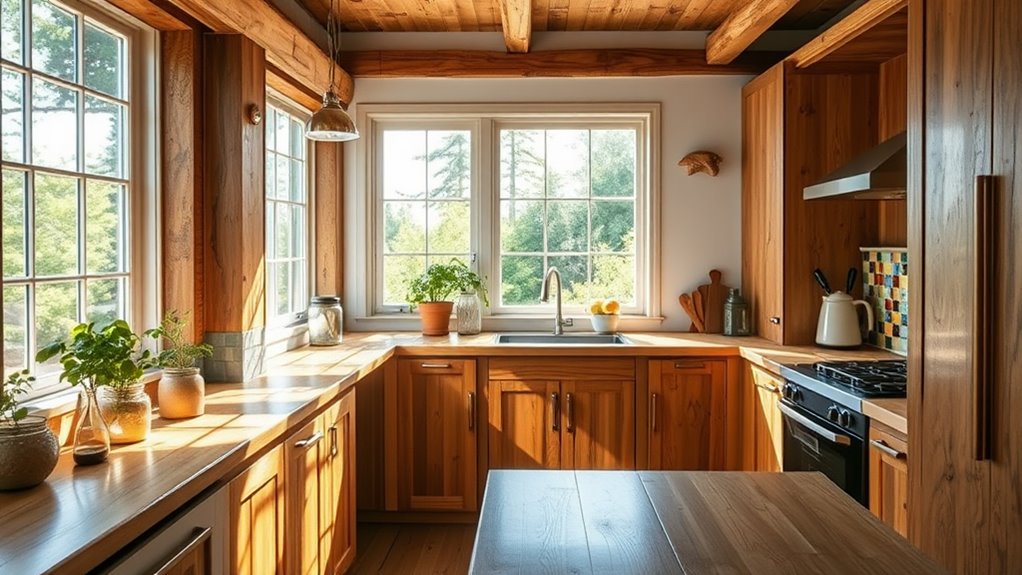
To incorporate sustainable materials in your remodel, start by choosing renewable, recycled, or responsibly sourced options. Look for reclaimed wood and natural stone for aesthetics and durability. Opt for low or no VOC paints to improve indoor air quality. Consider energy-efficient appliances and fixtures that reduce energy and water usage. Local sourcing not just supports your community but additionally lowers your carbon footprint. Don't forget to check material certifications for verification of sustainability. By making these eco-friendly choices, you can create a beautiful, sustainable space. There's plenty more to explore about finding the best options for your project.
Understanding Sustainable Materials
In the domain of remodeling, grasping sustainable materials is key to making eco-friendly choices that benefit both your home and the planet. You've got a unique opportunity to blend innovative design with sustainable practices, guaranteeing your remodel not only looks good but also minimizes environmental impact. Start by exploring materials that are renewable, recycled, or sourced responsibly. This way, you're not only enhancing your space but additionally contributing to a sustainable future.
When it comes to sustainable design, consider materials that boast both aesthetic appeal and longevity. Opt for products with high material durability, which means they'll stand the test of time while reducing the need for replacements. For instance, bamboo is a quickly renewable resource that's not only stylish but also incredibly strong. Similarly, recycled metal and glass can add a modern twist to your remodel while promoting waste reduction.
Pay attention to certifications too. Look for materials that have been certified by recognized organizations, as they often meet strict environmental standards. This guarantees that your choices align with sustainable design principles.
Lastly, keep in mind that comprehending sustainable materials isn't just about what you use; it's additionally about how it's produced. Prioritizing local sources can greatly lower your project's carbon footprint. By making informed choices, you'll create a beautiful and sustainable home that reflects your commitment to innovation and environmental stewardship.
Choosing Reclaimed Wood
When you choose reclaimed wood for your remodel, you're not just adding character; you're additionally making an eco-friendly choice. This sustainable option offers unique benefits, like durability and a rich history. To guarantee you get quality materials, it's important to know where to source them effectively.
Benefits of Reclaimed Wood
Using reclaimed wood not only adds character to your remodel but furthermore offers numerous environmental benefits. By choosing reclaimed wood, you're giving new life to materials that might otherwise end up in a landfill, reducing waste and promoting sustainability. This choice not only supports eco-friendliness but likewise helps preserve forests, lowering the demand for new timber.
Moreover, reclaimed wood boasts incredible design versatility. Whether you're aiming for a rustic, modern, or eclectic look, this material can adapt to your vision. Each piece carries a unique history, allowing you to create a space that reflects your personality as well as standing out from the typical remodel. From flooring to accent walls, reclaimed wood can be incorporated in various applications, ensuring your design remains innovative and fresh.
Beyond aesthetics, reclaimed wood often showcases superior durability compared to new timber, having already withstood the test of time. This resilience means you're investing in long-lasting materials that will serve your space well for years to come. Embracing reclaimed wood isn't just a stylish choice; it's a commitment to sustainability and a creative way to make your remodel truly unique.
Sourcing Quality Materials
Finding quality reclaimed wood for your remodel can feel like a treasure hunt, but it's well worth the effort. To start your expedition, seek out sustainable suppliers known for their commitment to environmentally friendly practices. These suppliers often have an extensive selection of reclaimed wood sourced from old barns, factories, and even shipping pallets, each piece carrying a unique story.
When choosing your wood, don't overlook the importance of material certifications. Look for certifications that verify the wood's origin and its sustainability credentials. This not only guarantees you're making a responsible choice but additionally helps you avoid materials that could contribute to deforestation or other ecological damage.
To further improve your search, consider reaching out to local architectural salvage yards or specialized reclaimed wood dealers. They often provide a range of options and can give you insights into the history and quality of the materials. By choosing reclaimed wood from reputable sources, you'll not only uplift your remodel with distinctive character but furthermore contribute to a more sustainable future. Embrace the challenge, and watch your innovative vision come to life!
Opting for Bamboo Products
Opting for bamboo products can considerably improve the sustainability of your remodel in addition to adding a unique aesthetic. Bamboo is a quickly renewable resource, growing back within three to five years after harvesting, making it an eco-friendly alternative to traditional hardwoods. By choosing bamboo flooring, you not only elevate the beauty of your space but additionally reduce your carbon footprint. Its natural durability and resistance to moisture make it an excellent choice for high-traffic areas or rooms prone to humidity, like kitchens and bathrooms.
When it comes to furnishings, bamboo furniture offers a sleek, modern look that's both stylish and sustainable. The lightweight nature of bamboo makes it easy to move and rearrange, allowing you to adapt your space without hassle. Moreover, the versatility of bamboo means you can find everything from elegant dining tables to chic shelving units, all during supporting sustainable practices.
Incorporating bamboo into your remodel can further inspire a sense of tranquility and connection to nature, as the warm tones and organic textures create a welcoming atmosphere. Whether you're looking to make a bold statement with bamboo flooring or create a cozy nook with bamboo furniture, these products reflect your commitment to innovation and sustainability.
Selecting Eco-Friendly Paints
Often overlooked, selecting eco-friendly paints can greatly improve the sustainability of your remodel alongside enhancing indoor air quality. By choosing paints with low or no volatile organic compounds (VOCs), you not only minimize harmful emissions but additionally create a healthier living environment. These eco-friendly finishes often contain natural pigments and binders, offering a lively palette without compromising your health.
When selecting paints, consider their durability. Eco-friendly options have come a long way and now rival traditional paints in strength and longevity. Look for products that boast superior adhesion and washability, ensuring your walls stay fresh and lively for years. This not only saves you time and effort in the long run but also reduces the environmental impact of frequent repainting.
Don't stop at just color; explore innovative textures and finishes. Many eco-friendly paints come in various sheens, from matte to glossy, allowing you to achieve the exact look you want. Furthermore, some brands even offer recycled content, further enhancing your commitment to sustainability.
Lastly, always read labels and do your research. Companies that prioritize eco-friendly practices frequently provide transparency about their ingredients and production processes. By making informed choices, you can confidently select paints that align with your values while achieving a stunning and sustainable remodel. Embrace innovation in your color selection, and watch how it transforms your space, reflecting both style and responsibility.
Incorporating Recycled Glass
Adding recycled glass to your remodel not merely improves aesthetic appeal but furthermore reinforces your commitment to sustainability. By choosing recycled glass applications, you'll bring a unique touch to your space as well as reducing waste. This innovative material has gained popularity for its versatility and stunning visual effects. Here are some exciting ways to incorporate recycled glass into your remodel:
- Countertops: Create eye-catching kitchen or bathroom countertops using recycled glass. These surfaces are durable, easy to clean, and come in a variety of colors and textures, offering endless design possibilities.
- Backsplashes: Transform your kitchen or bathroom with a recycled glass backsplash. The reflective properties of the glass can brighten up your space and add depth, making it a focal point of your design.
- Tiles: Use recycled glass tiles for flooring or wall accents. These tiles not only provide aesthetic benefits but furthermore offer sustainable durability, making them a smart choice for high-traffic areas.
- Decorative Elements: Incorporate recycled glass in light fixtures, vases, or art pieces. These elements can serve as conversation starters as well as showcasing your commitment to innovative design.
Utilizing Natural Stone
When you choose natural stone for your remodel, you're not just adding beauty; you're additionally tapping into a durable, sustainable material. Many options are available that prioritize eco-friendly sourcing, helping you make a responsible choice. Let's explore the benefits of natural stone and how to find sustainable options that fit your vision.
Benefits of Natural Stone
Natural stone offers a unique blend of beauty, durability, and sustainability that can elevate any remodel. When you choose natural stone, you're not just selecting a material; you're making an investment in your home and the environment. Here are some key natural stone benefits that make it a prime choice for innovative remodels:
- Aesthetic Appeal: Natural stone comes in a variety of colors and textures, allowing you to create a stunning focal point in any room.
- Durability: Unlike synthetic materials, natural stone withstands wear and tear, ensuring your investment lasts for years to come.
- Low Maintenance: Many sustainable stone options require minimal upkeep, freeing you from constant repairs or replacements.
- Eco-Friendly: Sourced responsibly, natural stone supports sustainable practices and reduces your carbon footprint, aligning with modern environmental values.
Sourcing Sustainable Options
Choosing natural stone for your remodel is just the beginning; sourcing sustainable options can greatly improve your project's environmental impact. To make a significant difference, start by identifying sustainable suppliers who prioritize eco-friendly practices. Look for companies committed to responsible quarrying, minimizing waste, and using renewable energy.
When selecting your stone, pay attention to material certification. Certifications like the Forest Stewardship Council (FSC) or the International Organization for Standardization (ISO) can assure you that the materials come from sustainable sources. These certifications in addition provide transparency regarding the environmental standards upheld during extraction and processing.
Don't hesitate to ask suppliers about their sourcing practices. Engaging in conversations can reveal a wealth of information about their commitment to sustainability and the path your chosen stone has taken. You might discover local suppliers who not only reduce transportation emissions but likewise support the local economy.
Investing in Energy-Efficient Fixtures
Investing in energy-efficient fixtures not just reduces your utility bills but furthermore contributes to a more sustainable home environment. By upgrading your fixtures, you're making a smart choice that benefits both your wallet and the planet. Here are some innovative ways to improve your space with energy-efficient solutions:
- Energy Efficient Appliances: Opt for appliances that have the ENERGY STAR label. These appliances use considerably less energy than standard models, helping you save money on your electric bill as you reduce your carbon footprint.
- Smart Thermostats: Install a smart thermostat to optimize your heating and cooling systems. These devices learn your schedule and preferences, adjusting the temperature when you're away, which can lead to considerable energy savings.
- LED Lighting: Replace traditional bulbs with LED lighting. LEDs consume up to 80% less energy and last much longer, providing excellent illumination as they minimize waste.
- Low-Flow Fixtures: Consider low-flow faucets and showerheads. These fixtures use less water without sacrificing performance, which means you'll conserve water and cut down on energy used for heating.
Sourcing Locally Made Materials
When you source locally made materials for your remodel, you not only support your community but similarly reduce the environmental impact associated with transportation. By choosing products crafted by local artisans, you tap into a wealth of creativity and craftsmanship that often goes unnoticed. These artisans bring unique designs and innovative techniques to the table, transforming your space with a touch that's distinctly local.
Local sourcing additionally nurtures a sustainable supply chain, minimizing the carbon footprint linked to long-distance shipping. When you purchase materials that are made nearby, you're not merely investing in your project; you're investing in the health of your community's economy. This approach encourages the growth of small businesses and keeps resources circulating within your local area, ensuring a thriving ecosystem of innovation.
Exploring local markets or specialty shops can reveal hidden gems—think reclaimed wood, handmade tiles, or upcycled materials. These options often boast superior quality and durability compared to mass-produced items, giving your remodel a unique edge during the support of environmentally conscious practices.
Don't overlook the potential of collaboration with local artisans. Custom pieces can enhance your remodel beyond the ordinary, providing you with a space that reflects your personality and values. By sourcing locally, you're not just remodeling; you're making a statement about sustainability, creativity, and community. Embrace this innovative approach, and watch your project transform into something truly exceptional.
Frequently Asked Questions
How Can I Verify the Sustainability of a Material?
To verify the sustainability of a material, start by researching its sourcing. Look for certifications that indicate responsible harvesting and production practices. Then, consider the product lifecycle—how it's made, used, and disposed of. Ask manufacturers about their environmental impact and whether they use recycled or renewable resources. By focusing on these aspects, you can guarantee you're choosing innovative materials that are not just stylish but likewise environmentally friendly.
What Are the Cost Differences Between Sustainable and Conventional Materials?
When you're looking at cost differences between sustainable and conventional materials, it's important to do a thorough cost comparison. Sustainable options can sometimes have a higher upfront cost, but they often save you money in the long run through energy efficiency and durability. As you consider your budget, think about how investing in innovative materials now can lead to long-term savings and environmental benefits. Balancing immediate costs with future savings is key.
Are There Certifications for Sustainable Materials to Look For?
Did you know that over 70% of consumers prefer products with eco label standards? When you're searching for sustainable materials, look for certifications like FSC (Forest Stewardship Council) or Cradle to Cradle. These labels guarantee responsible material sourcing and environmentally friendly practices. By choosing certified products, you not merely improve your space with innovative designs but additionally contribute to a healthier planet. It's a win-win for both you and the environment!
How Can I Educate My Contractor About Sustainable Options?
To educate your contractor about sustainable options, start by sharing resources on sustainable practices. Look for workshops or training sessions focused on eco-friendly building. Encourage them to explore certifications in sustainable materials, which can improve their expertise. Suggest collaborating on innovative designs that incorporate these materials, making it a shared learning experience. By actively engaging with your contractor, you'll cultivate a commitment to sustainability that benefits both your project and the environment.
What Are the Long-Term Benefits of Using Sustainable Materials?
When you choose sustainable materials, you're not just making a stylish choice; you're investing in long-term benefits. These materials greatly reduce your environmental impact, promoting a healthier planet. Plus, they often improve indoor air quality, providing health benefits for you and your family. By opting for innovative, eco-friendly options, you'll create a space that's both modern and responsible, ensuring your home supports your values and contributes positively to the world around you.