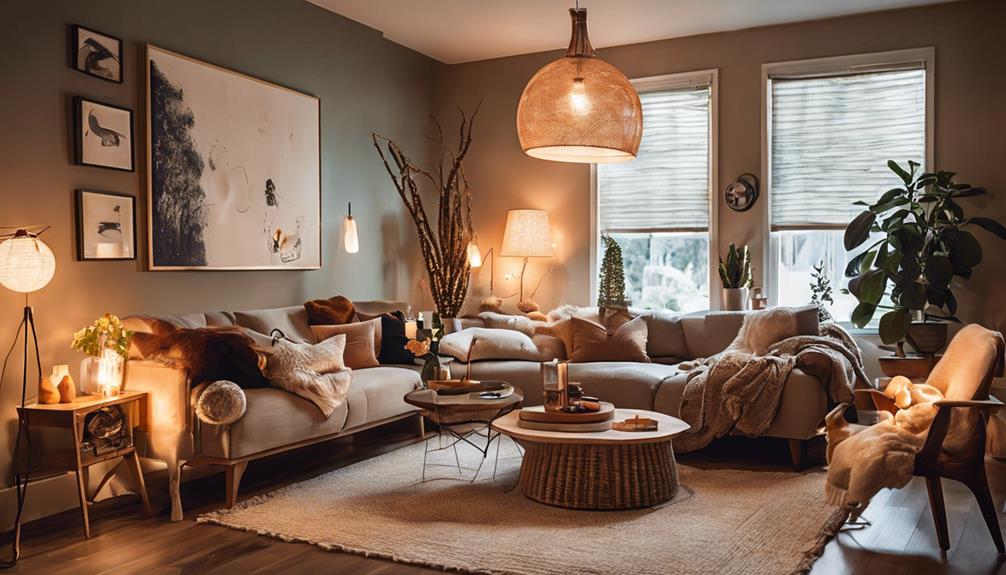
You’re likely living with outdated lighting fixtures and bulbs that are not only wasting energy but also failing to create the ambiance and functionality you desire in your home. To upgrade, start by evaluating your current lighting, taking stock of fixtures, bulbs, and purposes. Consider color temperature, brightness, and dimmability. Next, choose the right bulbs and fixtures that complement your home’s aesthetic and suit different tasks or moods. Add ambient layers, task lighting, and accent lighting to enhance functionality and drama. Then, explore smart lighting options to elevate your home’s ambiance and functionality. As you explore these steps, you’ll discover how to create a cohesive lighting plan that transforms your space. Updating your lighting doesn’t have to be overwhelming—there are simple ways to refresh your home without a complete overhaul. Swapping outdated bulbs for energy-efficient LEDs, adding stylish lamps, or incorporating smart dimmers can make an immediate impact. With thoughtful choices, you can effortlessly enhance both the atmosphere and practicality of your space while reducing energy costs.
Assess Your Current Lighting
Take stock of the lighting fixtures and bulbs currently illuminating your home to identify areas that need improvement. This essential step is often overlooked, but it's necessary to create a Lighting Audit that accurately reflects your home's lighting needs. Start by making a Lighting Inventory of all the fixtures, lamps, and bulbs in your home. Walk through each room, taking note of the type of lighting used, its wattage, and its purpose (e.g., task, ambient, or accent lighting). Consider the color temperature, brightness, and dimmability of each fixture.
As you conduct your Lighting Audit, ask yourself questions like: Are there any areas that are too bright or too dim? Are there any fixtures that are outdated, broken, or energy-inefficient? Are there any rooms that lack sufficient lighting, making it difficult to perform daily tasks? Take photos and notes to document your findings, and think about how you use each space. This assessment will help you pinpoint areas that need improvement, making it easier to prioritize your lighting upgrades.
Choose the Right Bulbs
Now that you've assessed your current lighting setup, it's time to focus on selecting the right bulbs to achieve your desired lighting effects. Choosing the right bulbs can make a substantial difference in the ambiance and functionality of your space. With so many options available, it's vital to take into account a few key factors to make sure you're making the best choice for your needs.
When selecting bulbs, take into account the following:
- Color Temperature: Bulbs with a warm white color temperature (2700K-3000K) create a cozy and relaxing atmosphere, while cool white bulbs (3500K-4100K) provide a brighter, more energizing light.
- Dimmable Options: If you want to adjust the light level to suit different tasks or moods, look for bulbs with dimmable options. This feature allows you to customize the light to your needs.
- Energy Efficiency: Consider energy-saving bulbs like LEDs or CFLs, which use significantly less energy than traditional incandescent bulbs and have a longer lifespan.
Update Fixtures and Fittings
Now that you've chosen the right bulbs, it's time to turn your attention to the fixtures and fittings that hold them. You'll want to select a style that complements your home's aesthetic, and also consider energy efficiency to save on your energy bills. Additionally, don't forget to update your switches to guarantee a seamless and convenient lighting experience.
Choose the Right Style
When updating your lighting fixtures and fittings, you'll want to choose a style that complements your home's unique character. This is where your personal taste and the architecture of your home come into play. You'll want to opt for a style that not only reflects your personal taste but also enhances the overall aesthetic of your home.
Here are a few popular styles to explore:
- Coastal Chic: Perfect for beach-inspired homes, this style features light, airy fixtures with a touch of elegance.
- Rustic Elegance: Ideal for homes with a natural, earthy vibe, this style incorporates warm, earthy tones and natural materials.
- Modern Minimalist: For a sleek, contemporary look, choose clean-lined fixtures with a focus on functionality.
Consider Energy Efficiency
You can cut your energy bills and reduce your carbon footprint by switching to energy-efficient lighting fixtures and fittings that use LED, CFL, or smart bulbs. These options not only save you money but also contribute to a more sustainable future. When shopping for new fixtures, look for energy labels that indicate the product's energy efficiency. In the US, for example, the ENERGY STAR label is a trusted symbol of energy efficiency. By opting for energy-efficient lighting, you'll reduce your carbon footprint and help preserve the environment for future generations.
When selecting new fixtures and fittings, contemplate the type of bulb you need. LEDs, for instance, are highly energy-efficient and can last up to 25 times longer than traditional incandescent bulbs. CFLs, on the other hand, use about 75% less energy than traditional bulbs. Smart bulbs, which can be controlled remotely, are another option to ponder. By making the switch to energy-efficient lighting, you'll be doing your part to reduce energy consumption and minimize your carbon footprint.
Update Switches Too
Outdated switches and dimmers can hinder the performance of your new energy-efficient lighting, so it's crucial to update them as well. You've taken the time to choose the perfect fixtures, now it's time to guarantee they're controlled by equally efficient switches.
When updating your switches, consider the following:
- Wireless Dimmers: Install wireless dimmers that can be controlled remotely, allowing you to adjust the lighting ambiance with ease.
- Smart Plugs: Replace traditional outlets with smart plugs that can be controlled via an app, giving you the flexibility to turn lights on and off, or schedule lighting scenes.
- Smart Dimmer Switches: Upgrade to smart dimmer switches that learn your daily habits and adjust the lighting accordingly, providing top-notch energy efficiency.
Add Ambient Lighting Layers
When incorporating ambient lighting layers, it's important to explore soft glow options, such as table lamps or floor lamps, to create a cozy ambiance. By layering different lighting effects, you'll be able to craft warm, ambient spaces that make you feel relaxed and comfortable.
Soft Glow Options
Soft glow options, such as table lamps or floor lamps, can add ambient lighting layers to your space, creating a warm and inviting atmosphere. These soft glow options can elevate your mood lighting, allowing you to adjust the warmth levels to suit your mood and needs.
By incorporating soft glow options into your space, you can create a cozy and comforting ambiance. Here are a few ways to do it:
- Place a table lamp on a side table or nightstand to create a warm and inviting glow.
- Use floor lamps to add height and depth to a room, while also providing a soft, warm light.
- Add a string of fairy lights or a candle to create a warm and intimate atmosphere.
Layered Lighting Effects
By combining different light sources, you can create layered lighting effects that add depth and visual interest to a room, making it feel more dynamic and engaging. This is achieved by incorporating multiple layers of lighting, each serving a specific purpose. Ambient lighting, for instance, sets the overall mood and atmosphere, while task lighting focuses on specific areas, such as reading or cooking. Accent lighting, on the other hand, highlights specific features or decorative elements.
Warm Ambient Spaces
You can create a warm ambient space by adding layers of ambient lighting that evoke a sense of comfort and relaxation. Imagine walking into a room that feels like a cozy retreat, where soft lighting wraps around you like a warm hug. To achieve this, you'll want to incorporate lighting that mimics the warmth of a crackling fire or a sunny afternoon.
Here are some ways to add ambient layers to your space:
- Use table lamps or floor lamps with soft shades to create pools of warm light.
- Install dimmable ceiling fixtures that can be adjusted to a soft, warm glow.
- Add candles or a fireplace to create a firelit ambiance on chilly evenings.
Task Lighting for Functionality
Three key areas in your home – kitchens, bathrooms, and home offices – greatly benefit from task lighting that provides focused illumination for specific tasks. This type of lighting helps you perform tasks efficiently and safely. For instance, under-cabinet lighting in your kitchen can illuminate countertops, making food preparation easier. Similarly, task lighting in your bathroom can provide adequate lighting for grooming.
In your home office, desk illumination is vital for productivity. Consider using reading lamps or desk lamps to create a comfortable and focused workspace. This type of lighting helps reduce eye strain, allowing you to work for extended periods without fatigue. You can also install track lighting or recessed lighting to provide additional task lighting in areas where you need it most.
When selecting task lighting, consider the specific tasks you'll be performing in each area. For example, if you'll be reading or working on a computer in your home office, choose lighting with a color temperature around 5000K to enhance visual clarity. By incorporating task lighting into your home, you'll create functional and comfortable spaces that support your daily activities. By doing so, you'll be able to serve yourself and others better, making your home a more enjoyable and productive space for everyone.
Accent Lighting for Drama
As you've optimized your home's task lighting for functionality, it's time to think about creating visual interest with accent lighting, which adds drama and personality to a room. Accent lighting helps draw attention to specific areas or features, creating focal points in the space. This type of lighting is all about creating a moody atmosphere that invites relaxation and conversation.
To get started, consider the following ways to incorporate accent lighting into your space:
- Highlight architectural features: Use directional lighting to draw attention to unique architectural elements, such as a stunning staircase or a beautiful fireplace.
- Accentuate textures and colors: Use accent lighting to highlight the texture and color of furniture, rugs, or wall art, adding depth and visual interest to the room.
- Create ambiance: Use floor lamps or table lamps to create pools of light, creating a cozy and inviting atmosphere perfect for relaxing or entertaining.
Consider Smart Lighting Options
Smart lighting options can elevate your home's ambiance and functionality, allowing you to control and customize your lighting with unprecedented precision. With smart lighting, you'll have the power to create the perfect atmosphere for any occasion. Imagine being able to adjust the brightness and color of your lights with just the sound of your voice. With voice control capabilities, you can do just that. Simply pair your smart lights with a voice assistant, like Alexa or Google Assistant, and you'll be able to control your lights with ease.
But that's not all. Smart lighting also allows you to automate your lighting routines, making it easy to create a sense of ambiance and comfort in your home. For example, you can program your lights to gradually brighten in the morning, helping you wake up feeling refreshed and energized. Or, you can set your lights to dim in the evening, creating a cozy and relaxing atmosphere. Automated routines like these can be tailored to your specific needs and preferences, ensuring that your home always feels welcoming and inviting.
Create a Lighting Plan
Now that you've pondered smart lighting options, it's time to think strategically about how you'll use lighting to enhance your home's ambiance and functionality, and creating a thorough lighting plan is the perfect place to start. A well-thought-out plan will guarantee your lighting is both functional and aesthetically pleasing.
To create a detailed lighting plan, start by evaluating your needs and priorities. Consider the tasks you'll be performing in each room, the type of ambiance you want to create, and the architectural features you want to highlight. This will help you determine the types of lighting you'll need and where to place them.
Here are some essential factors to ponder when creating your lighting plan:
- Set a realistic lighting budget: Determine how much you're willing to spend on lighting fixtures, installation, and any necessary electrical upgrades.
- Establish design principles: Decide on a consistent style, material, or color scheme for your lighting fixtures to ensure cohesion throughout your home.
- Identify areas that require task lighting: Pinpoint areas where you'll need focused lighting, such as reading nooks or kitchen islands.
Frequently Asked Questions
Can I Mix and Match Different Lighting Fixture Styles in One Room?
Think of your room like a orchestra – each lighting fixture is a musician. You can have different sections, like strings and woodwinds, but they need to harmonize. Mixing and matching lighting styles can work, but it's essential to maintain Lighting Harmony. Aim for Design Consistency by choosing fixtures that share a common thread, like a similar finish or style era. You can create a cohesive look by balancing different pieces, just like a conductor brings together diverse instruments to create beautiful music.
How Do I Choose the Right Lighting for a Room With No Natural Light?
Since you're dealing with a room without natural light, you'll rely on artificial brightness to create a welcoming atmosphere. Start by considering the room's purpose and the type of tasks that'll be performed there. Then, focus on achieving ambient illumination by layering different light sources, such as overhead lighting, table lamps, and floor lamps. This will help you create a balanced and comfortable lighting scheme that makes the space feel inviting and functional.
Are Smart Light Bulbs Compatible With All Types of Lighting Fixtures?
As you navigate the world of smart lighting, you're like Alice in Wonderland, venturing into the unknown. But fear not, dear adventurer! When it comes to compatibility, you'll find that smart bulbs generally work with standard fixtures. However, voltage limitations and bulb standards can be a concern. Make sure to check the packaging for specifications, and you'll be illuminating your space in no time.
Can I Install New Lighting Fixtures Myself or Do I Need an Electrician?
When tackling a lighting upgrade, you'll face the question: can you install new fixtures yourself or do you need an electrician? While DIY enthusiasts might be tempted to take on the task, it's important to take into account the DIY challenges and electrical safety risks involved. If you're not confident in your abilities, it's always best to hire a licensed electrician to guarantee a safe and successful installation.
How Often Should I Clean My Light Fixtures to Maintain Their Efficiency?
You'll want to clean your light fixtures regularly to maintain their efficiency. Dust accumulation is a major culprit when it comes to reducing light output, so make it a habit to dust your fixtures every 2-3 months. For more thorough fixture maintenance, set aside a day every 6-12 months to take down and clean each fixture. This will keep your lights shining bright and running efficiently. By staying on top of cleaning, you'll be serving your family and guests by providing a well-lit and welcoming space.