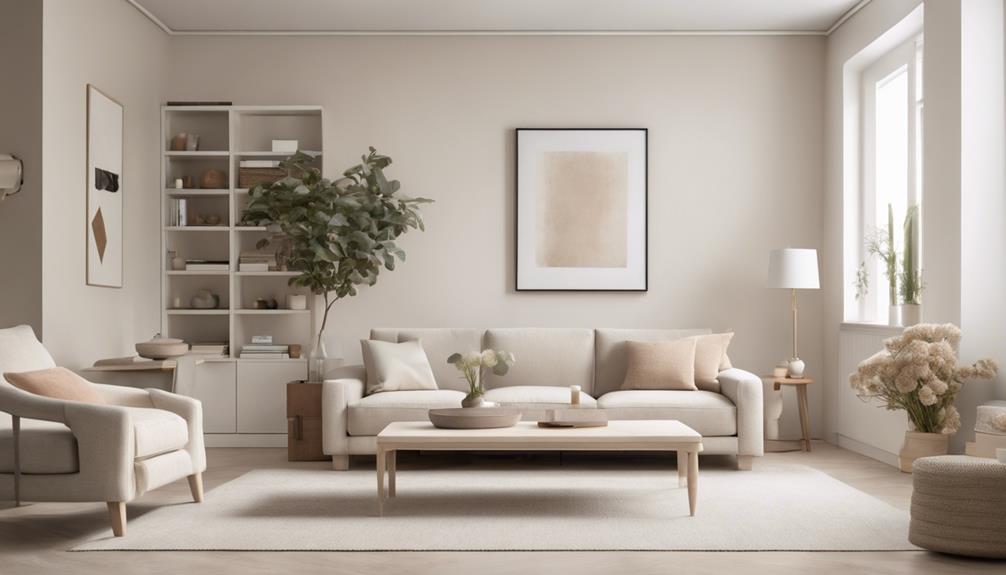
You're ready to transform your cluttered space into a serene oasis. Start by tackling small areas, setting realistic decluttering goals, and focusing on progress over perfection. Maximize storage in small spaces by utilizing hidden storage and labeling items. Simplify your morning routine by identifying time-wasting habits and incorporating intentional activities. Create a home for everything, and designate zones for specific tasks. Establish the 'one in, one out' rule to prevent clutter accumulation. As you begin this journey, you'll uncover more secrets to achieving a clutter-free home, and discover a sense of calm and control you never thought possible.
Decluttering Strategies for Beginners
Start with small victories by tackling one area or category of items at a time, like cleaning out your closet or sorting through old papers, to build momentum and confidence in your decluttering journey. This approach helps you develop a clutter mindset, where you're intentional about what you keep and what you let go of. As a beginner, it's important to set realistic declutter goals, focusing on progress over perfection. Remember, decluttering is a process, and it's okay to take it one step at a time.
Don't let clutter shame hold you back from creating a fresh start. Many people struggle with the emotional attachment to their belongings, but it's essential to recognize that the memories attached to an item are what's truly important, not the item itself. By letting go of the physical item, you're not erasing the memory, but rather, you're creating space for new experiences and memories.
As a beginner, it's natural to make mistakes, but being aware of common pitfalls can help you avoid them. One of the most significant beginner mistakes is trying to tackle too much at once, leading to burnout and frustration. By focusing on one area at a time, you'll be more likely to stay motivated and committed to your decluttering goals. So, take it one step at a time, and remember, every small victory brings you closer to a clutter-free home.
Maximizing Storage in Small Spaces
As you've begun to declutter and create a more intentional space, you're now ready to optimize your storage solutions to make the most of your square footage. In small spaces, every inch counts, and maximizing storage is essential to maintaining a clutter-free home.
To get the most out of your space, consider the following strategies:
- Optimizing Shelves: Install shelves that go up to the ceiling to maximize vertical storage. Use baskets, bins, or containers to store items like linens, out-of-season clothing, or kitchen gadgets.
- Utilize Hidden Storage: Look for creative ways to hide storage in plain sight. For example, use an ottoman with storage or a coffee table with built-in storage bins.
- Invest in Space-Saving Furniture: Choose multi-functional furniture pieces that serve more than one purpose, such as a storage bed frame or a desk with built-in shelving.
- Label and Categorize: Keep similar items together and label each storage container or shelf to maintain organization and make it easy to find what you need.
Simplifying Your Morning Routine
You can reclaim a significant chunk of your day by streamlining your morning routine, freeing up time for more important things. By simplifying your morning routine, you'll be more energized, focused, and prepared to tackle the day ahead.
To achieve this, start by identifying time-wasting habits and replacing them with intentional activities that nourish your mind, body, and spirit. Consider incorporating Morning Mantras, such as affirmations or meditation, to center yourself for the day.
| Current Habit | Time-Saving Alternative | Benefits |
|---|---|---|
| Waking up 30 minutes early to scroll through social media | Wake up 30 minutes early to practice gentle stretches or yoga | Improved flexibility, increased energy |
| Rushing through breakfast | Prepare overnight oats or meal prep on Sundays | Healthier eating, reduced morning stress |
| Spending 15 minutes deciding what to wear | Plan outfits for the week on Sundays | Reduced decision fatigue, increased productivity |
| Hitting the snooze button repeatedly | Set a consistent wake-up time and establish a wake-up routine | Improved sleep quality, increased energy |
Organizing Paper Clutter for Good
By implementing a few simple strategies, you can finally conquer the overwhelming piles of paper clutter that have been stressing you out. Paper clutter can be overwhelming, but with a few simple changes, you can create a system that works for you, not against you.
Here are some effective ways to organize paper clutter for good:
- Sort and Purge: Go through your paper trails and sort them into categories like bills, receipts, and documents. Be ruthless – if you don't need it, recycle or shred it.
- Designate a Station: Choose a specific spot in your home as a "paper station" where you'll process and organize papers. This could be a desk, file cabinet, or even a tray on your countertop.
- Go Digital: Consider scanning your documents and storing them digitally. This will free up physical space and reduce clutter. You can use cloud storage services like Google Drive or Dropbox to access your files from anywhere.
- Create a Maintenance Routine: Set aside time each week to maintain your paper organization system. This could be as simple as 10-15 minutes a day or an hour on the weekend.
Creating a Home for Everything
When you assign a designated spot for each item, you'll find that maintaining order becomes a whole lot easier. It's time to get intentional about where you place things, so they're easy to find and put back. By doing so, you'll be creating a system that works for you, not against you.
Designate a Spot
Every item in your home deserves a designated spot, a place where it can be easily found and put back, freeing you from the frustration of clutter. By assigning a spot to each item, you'll create a sense of order and make it easier to maintain your space. This concept is known as Spot Assignment, and it's essential for achieving Zone Control in your home.
Here are four areas where designating a spot can make a significant difference:
- Entryway: Designate a spot for keys, wallets, and bags to keep them organized and prevent clutter from building up.
- Kitchen: Assign a spot for utensils, appliances, and cookbooks to maintain a sense of calm while cooking.
- Living Room: Designate a spot for remote controls, games, and other entertainment essentials to keep them within reach.
- Bedroom: Create a spot for jewelry, accessories, and clothing to keep your closet organized and clutter-free.
Label and Sign
Clarity is key to maintaining your newly organized space, and labeling each designated spot guarantees that everyone in the household knows exactly where things belong. You've worked hard to create a home for everything, so make sure everyone can find what they need quickly and easily. Labels do more than just identify what's inside a container; they also help maintain your organizational system by encouraging everyone to put things back in their assigned spot.
To create effective labels, use templates that are easy to read and understand. You can find plenty of free label templates online or create your own using a design program. Keep your labels concise and focused on the contents, avoiding unnecessary details. For signage design, consider using icons or images to supplement text, making it easier for visual learners to understand.
Streamlining Your Kitchen Counters
As you start to streamline your kitchen counters, you'll want to tackle the clutter that's accumulated. You'll need to designate zones for specific tasks, like food prep and coffee stations, to maximize efficiency. By clearing the clutter and utilizing vertical space, you'll be able to create a more organized and functional kitchen.
Clear the Clutter
By tackling the clutter on your kitchen counters, you'll create a sense of control and calm in the heart of your home. It's time to confront the emotional baggage that's holding you back from achieving a clutter-free kitchen. The clutter mindset can be overwhelming, but taking small steps towards organization will make a significant difference.
Here are some essential steps to help you clear the clutter:
- Purge unnecessary items: Get rid of broken appliances, unnecessary gadgets, and expired food items that are taking up valuable counter space.
- Designate a "junk drawer": Assign a specific drawer or container to store items that you need but don't use frequently, like batteries, twist ties, or spare change.
- Utilize vertical space: Install shelves, hooks, or a pegboard to maximize storage and keep frequently used items within easy reach.
- Create a "launching pad": Designate a specific area for daily essentials like keys, wallets, and bags to keep them organized and easily accessible.
Designate Zones
You're about to create a kitchen counter that's both functional and visually appealing by dividing it into distinct zones, each with its own purpose and set of tools. By designating specific areas for specific tasks, you'll streamline your kitchen workflow, reduce clutter, and make meal prep a breeze.
To get started, identify the zones that make sense for your kitchen. Here's a sample layout to contemplate:
| Zone | Activity Station | Tools and Essentials |
|---|---|---|
| Prep Zone | Chopping, slicing, dicing | Cutting boards, knives, utensils |
| Cooking Zone | Cooking, sautéing, frying | Stovetop, cookware, spices |
| Baking Zone | Mixing, measuring, baking | Mixing bowls, baking sheets, oven mitts |
| Serving Zone | Plating, garnishing, serving | Plates, utensils, napkins |
| Cleaning Zone | Cleaning, wiping down | Cleaning supplies, trash can |
Establish clear zone boundaries by using decorative dividers, baskets, or trays to separate each area. This will help maintain a clutter-free kitchen and make it easier to focus on the task at hand. By creating these activity stations, you'll be able to work efficiently and serve others with ease.
Utilize Vertical Space
Maximize your kitchen's vertical space to free up countertops and create a more streamlined cooking environment. By utilizing the often-wasted space above your countertops, you can create a more organized and efficient kitchen that's perfect for serving others.
Here are some ways to make the most of your kitchen's vertical space:
- Install wall shelves to store infrequently used items, such as special occasion dishes or cookbooks, keeping them out of the way but still accessible.
- Utilize ceiling storage by installing overhead racks or baskets to store items like pots, pans, or kitchen utensils, keeping them organized and within reach.
- Invest in stackable containers to store dry goods, such as pasta, rice, or snacks, keeping them fresh and organized.
- Hang a pegboard on a wall or the back of a door to store frequently used items, such as pots, pans, utensils, or spices, keeping them organized and within easy reach.
The Power of a "One In, One Out"
Implementing the 'one in, one out' rule helps maintain a delicate balance between acquiring new possessions and letting go of old ones, ensuring your living space remains clutter-free. This simple yet powerful principle is key to achieving a Fresh Start and maintaining a Balanced Life. By adopting this habit, you'll avoid clutter accumulation and create a sense of harmony in your home.
When you bring a new item into your space, get rid of an old one to make room for it. This rule applies to everything from clothes and accessories to kitchen gadgets and decorative items. By letting go of something old, you're creating space for the new item and preventing clutter from building up.
This habit also encourages you to be more mindful of your purchases and consumption. Before buying something new, ask yourself if you're willing to let go of something old to make room for it. This introspection will help you prioritize your needs and make more intentional purchasing decisions.
Turning Cluttered Closets Into Oases
As you stand in front of your closet, you're likely overwhelmed by the sheer amount of clutter staring back at you. It's time to take control and transform this chaotic space into a serene oasis. By purging the clutter quickly and maximizing your storage spaces, you'll be amazed at how easily you can create a peaceful retreat.
Purge the Clutter Fast
You're just a few hours away from transforming your cluttered closet into a peaceful oasis, and it starts with a ruthless purge of everything that's no longer serving you. It's time to get real about what you need and what's just taking up space. Set a timer for two hours and get to work with a Speed Sorting approach. Quickly sort items into three piles: keep, donate/sell, and discard. Be honest with yourself – when was the last time you wore that shirt or used that accessory?
Here are some Quick Fix tips to keep in mind:
- Start with a clean slate: Take everything out of your closet to get a good look at what you're working with.
- Be ruthless: If you haven't used it in the past year, it's likely you won't miss it.
- Keep the items that spark joy: If it makes you feel good, it's worth keeping.
- Don't forget the hidden spaces: Don't forget to sort through shelves, drawers, and other hidden areas of your closet.
Maximize Storage Spaces
Now that you've purged your closet of unwanted items, it's time to maximize storage spaces by assigning a home for everything, ensuring each item has a designated spot to prevent clutter from building up again. This is where shelf dividers come in handy, helping you separate and categorize your belongings. Install them on your shelves to create separate compartments for different types of items, such as clothes, accessories, or storage bins.
Next, consider furniture rearrangement to optimize your closet's layout. Move your most frequently used items to the front and center, making them easily accessible. Rearrange your shelves and rods to create a functional and efficient space. For instance, you can install a double rod to double your hanging space or add a shelf for folded items. By maximizing your storage spaces, you'll be able to maintain your newly organized closet and keep clutter at bay. With a little creativity and some simple adjustments, you can turn your cluttered closet into a peaceful oasis that sparks joy and serenity.
Building Habits for a Clutter-Free Life
How do you develop the discipline to maintain a clutter-free space, and make it a sustainable part of your daily routine? The answer lies in building habits that promote a clutter-free life. By incorporating simple yet effective habits into your daily routine, you can maintain a clutter-free space with minimal effort.
Here are 4 habits to get you started:
- Daily Reflections: Set aside 10 minutes each day to reflect on your space and identify areas that need attention. This daily habit helps you stay mindful of your surroundings and make adjustments as needed.
- Habit Trackers: Use a habit tracker to monitor your progress and stay accountable. Seeing your progress can motivate you to continue maintaining your clutter-free space.
- Designate a 'Home' for Each Item: Assign a designated spot for each item in your home. This habit helps maintain organization and prevents clutter from building up in the future.
- Schedule Regular Decluttering Sessions: Set aside time each week or month to declutter and maintain your space. This habit guarantees that clutter doesn't accumulate and makes maintenance a breeze.
Mastering the Art of Minimalist Decor
By starting on this journey, remember that Minimalist Chic is not about depriving yourself of beauty, but about curating a space that sparks joy and serenity. Begin by selecting a few statement pieces that reflect your personal style, and balance them with ample negative space to create a sense of breathability. This will allow your eyes to rest and your mind to unwind.
To achieve a Calming Aesthetic, focus on a limited color palette, soft textures, and natural materials. Consider incorporating plants, which not only purify the air but also bring a touch of organic elegance to your space. Don't be afraid to leave some walls bare or use a single, striking piece of art to create a sense of visual calm.
Frequently Asked Questions
How Do I Stay Motivated to Declutter and Organize My Entire Home?
Staying motivated to tackle your entire home can be tough! You need a boost to keep going. Find an Accountability Partner to check in with daily, sharing your progress and challenges. Set Daily Reminders on your phone to stay on track and focused. Break tasks into smaller chunks, and reward yourself after each accomplishment. Celebrate your successes, no matter how small, to keep your momentum going. You got this!
Can I Still Keep Sentimental Items and Maintain a Clutter-Free Home?
You don't have to sacrifice sentimental items to achieve a clutter-free home. Practice Sentimental Editing by curating a few cherished items and letting go of the rest. Store them in Memory Boxes or rotate items to keep your space fresh. Emotional Attachment is natural, but it's about finding balance. By Personal Curating, you'll cherish your keepsakes without letting them overwhelm your space. You can have a clutter-free home that still honors your memories.
What if My Family Members Are Not on Board With Decluttering and Organizing?
You're facing a delicate situation – a "united we stand, divided we fall" scenario. Your family members might not be on the same page as you when it comes to decluttering and organizing. It's essential to acknowledge that everyone has different priorities and habits. Start by having an open conversation about household responsibilities and how they impact family dynamics. By doing so, you'll create a safe space for everyone to express their concerns and work together to find a solution that suits everyone.
How Often Should I Reassess and Reorganize My Clutter-Free Space?
You're wondering how often to reassess and reorganize your space. Aim to do a Seasonal Refresh every 3-4 months to adjust to changing needs. In between, perform regular Space Audits to identify areas that need tweaking. Track your habits to identify patterns and maintain zones that work well. Schedule System Checks to guarantee everything runs smoothly. By doing so, you'll maintain a clutter-free space that serves you and your loved ones.
Are There Any Specific Organizing Tools or Products That Are Must-Haves?
When it comes to keeping your space organized, you’ll want to invest in some must-have tools. First, grab a reliable label maker to keep things categorized. Storage bins and shelf dividers will help maintain order. Desk organizers and drawer sorters will keep your workspace tidy. Consider investing in a closet system for maximum storage. Don’t forget file folders for important documents and cable ties for cord management. With these essentials, you’ll be well on your way to a clutter-free haven. A pegboard or wall-mounted rack can also be useful for keeping frequently used items within easy reach. Additionally, having a toolkit with essential homeowner tools like a hammer, screwdriver set, and measuring tape will ensure you’re always prepared for quick fixes. By combining smart storage solutions with the right tools, you can maintain an organized and functional living space effortlessly.