You're likely breathing in pollutants right now, as the air inside your home is often more toxic than the air outside. To improve indoor air quality, you'll want to eliminate sources of pollution, like tobacco smoke and strong chemicals. Upgrade to HEPA air purifiers to reduce airborne pollutants and allergens. Open windows for cross-ventilation, and maintain a clean environment by dusting regularly and removing clutter. By taking these steps, you'll be well on your way to a healthier living space. Now, discover more ways to create a refreshing atmosphere in your home.
Eliminate Sources of Pollution
Start by identifying and removing pollutants like tobacco smoke, strong chemicals, and pesticides from your home, as these toxic substances can greatly degrade indoor air quality. You can make a significant impact by simply eliminating these pollutants from your living space. For instance, if you or a family member smokes, encourage them to quit or smoke outside. Similarly, opt for natural cleaning products instead of harsh chemicals, and choose organic pest control methods whenever possible.
Another vital step is to test your home for radon, a colorless, odorless gas that can seep into your home through the foundation. Radon testing is a simple process that can give you peace of mind, and if necessary, lead to measures to mitigate its presence. Additionally, consider hiring a professional to inspect your home for asbestos, a known carcinogen commonly found in older buildings. Asbestos removal is a delicate process that requires specialized equipment and expertise, so it's essential to seek help from a certified professional.
Upgrade to HEPA Air Purifiers
By incorporating HEPA air purifiers into your home, you can greatly diminish airborne pollutants and allergens, creating a healthier breathing environment for you and your family. These devices are designed to capture 99.97% of particles as small as 0.3 microns, making them incredibly effective at removing impurities from the air. When selecting an air purifier, consider the room coverage and CADR (clean air delivery rate) to make sure you're getting a device that can handle the size of your space.
Regular filter replacement and machine maintenance are vital in maintaining the device's effectiveness. Look for air purifiers with high-quality filters that have a long lifespan, reducing the need for frequent replacements. Additionally, consider the noise level of the device, especially if you plan to use it in a bedroom or living room. A quieter machine will ensure minimal disruption to your daily life.
Energy efficiency is another important factor, as you'll want a device that won't increase your energy bills. Opt for an air purifier with an Energy Star rating to minimize its environmental impact. By investing in a high-quality HEPA air purifier and following proper maintenance procedures, you can breathe easy knowing you're providing a healthier environment for yourself and your loved ones.
Incorporate Natural Ventilation
You can further enhance your indoor air quality by incorporating natural ventilation into your daily routine. This simple yet effective approach can make a significant difference in the air you breathe. By harnessing the power of natural ventilation, you can reduce your reliance on mechanical systems and create a healthier indoor environment.
To get the most out of natural ventilation, consider the following strategies:
- Optimize window placement: Carefully position windows to maximize cross-ventilation, allowing fresh air to enter and stale air to escape.
- Consider building orientation: If you're designing a new space, consider the building's orientation to take advantage of natural airflow patterns.
- Open windows strategically: Open windows on opposite sides of your home or building to create a cooling breeze, especially during mild weather.
- Use window treatments wisely: Install window treatments like awnings or overhangs to reduce direct sunlight and heat gain, allowing for more natural ventilation opportunities.
Maintain a Clean Environment
As you work to maintain a clean environment, you'll want to make dusting a regular habit and get rid of clutter ASAP. By doing so, you'll greatly reduce the amount of airborne pollutants and allergens circulating in your space. By keeping your surroundings tidy, you'll be creating a healthier breathing space for yourself and those around you.
Dust Regularly Always
Dust and dirt particles accumulate quickly, so it's crucial to establish a regular cleaning routine to prevent them from circulating in the air and compromising indoor air quality. You can't just dust occasionally; you need to make it a habit to guarantee the air you breathe is clean and healthy.
To maintain a clean environment, follow these simple steps:
- Create a dusting schedule: Set reminders to dust surfaces, especially those that collect dust easily, such as furniture and decorations.
- Dust from top to bottom: Start from the top of the room, working your way down to prevent dust from spreading to clean areas.
- Use the right cleaning tools: Invest in a good vacuum cleaner and microfiber cloths to effectively remove dust and dirt.
- Maintain furniture: Regularly clean and condition your furniture to prevent dust from accumulating and to keep them looking their best.
Remove Clutter Now
Removing clutter is an essential step in maintaining a clean environment, which in turn greatly improves indoor air quality by reducing the number of surfaces that collect dust and dirt. You'll be amazed at how much of a difference it can make! By decluttering, you're not only creating a more peaceful and organized space, but you're also reducing the amount of airborne pollutants that can aggravate respiratory issues.
To get started, sort items into three piles: keep, donate/sell, and discard. Be honest with yourself – when was the last time you used that item? If it's been over a year, it's probably safe to let it go. Implementing organizing strategies, such as labeling storage bins and designating a place for everything, will help maintain your newfound sense of order. The decluttering benefits extend beyond improved air quality, too – you'll save time searching for lost items, reduce stress, and even boost your productivity. By taking the time to declutter, you're investing in a healthier, happier you and those around you.
Control Humidity Levels
You're taking an important step towards improving indoor air quality by controlling humidity levels. Now, it's essential to monitor humidity levels in your home to identify areas that need attention. By doing so, you'll be able to reduce moisture sources and prevent mold growth, creating a healthier breathing environment.
Monitor Humidity Levels
Managing humidity levels in your home is essential, as excess moisture can lead to mold growth and musty odors. You can't afford to overlook the importance of monitoring humidity levels, especially in areas prone to high humidity or water damage.
Here are some key takeaways to keep in mind:
- Invest in a humidistat: This device measures the humidity levels in your home and can automatically turn on your dehumidifier when the air gets too humid. The humidistat benefits are numerous, including preventing mold growth and reducing musty odors.
- Check humidity levels regularly: You should check the humidity levels in your home at least once a week, especially during humid seasons.
- Maintain your dehumidifier: Regular dehumidifier maintenance is critical to make sure it's working efficiently. Make sure to clean the filters and coils regularly.
- Identify and address moisture sources: By identifying and addressing moisture sources, you can reduce the need for dehumidification and create a healthier indoor environment.
Reduce Moisture Sources
What are the common culprits behind excess moisture in your home, and how can you eliminate them to maintain a healthy humidity level? You might be surprised to find that it's often the little things that add up. Leaky faucets, shower steam, and damp insulation can all contribute to excess moisture in your home. To combat this, start by conducting a moisture mapping exercise to identify areas where moisture tends to accumulate. Check for damp spots, musty smells, and water stains to pinpoint the sources of excess moisture.
Next, take action to eradicate these sources. Fix those leaky faucets, promote good ventilation in your bathroom, and consider upgrading to moisture-resistant insulation. By taking these steps, you'll be well on your way to reducing moisture sources and maintaining a healthy humidity level in your home. Remember, controlling humidity is key to improving indoor air quality. By reducing excess moisture, you'll create a healthier environment for you and your loved ones.
Prevent Mold Growth
By maintaining your home's humidity level between 30% and 50%, you're creating an environment that's less conducive to mold growth. This range prevents moisture from accumulating, making it challenging for mold to thrive. Mold growth can lead to respiratory issues, allergic reactions, and unpleasant odors. To further prevent mold growth, consider the following:
- Use mold-resistant materials: When renovating or building, opt for materials that are resistant to mold and mildew. This includes paint, drywall, and insulation.
- Insulate your basement: A well-insulated basement reduces the likelihood of moisture accumulation, making it less hospitable to mold growth.
- Address leaks promptly: Attend to any water leaks or condensation issues promptly to prevent moisture buildup.
- Ventilate areas prone to moisture: Ensure good airflow in areas like bathrooms, kitchens, and laundry rooms to reduce humidity.
Bring in Some Greenery
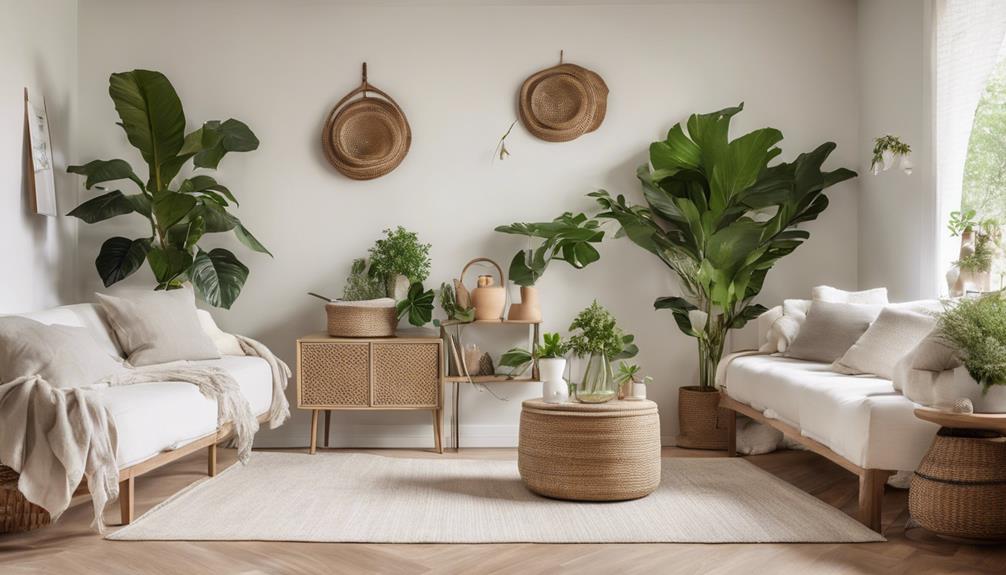
Adding plants to your indoor space can be a simple yet effective way to purify the air and boost the aesthetic appeal of your home. Not only do plants remove pollutants and toxins from the air, but they also add a touch of natural beauty to your space. One of the most significant Plant Benefits is their ability to remove volatile organic compounds (VOCs) and other pollutants, making the air healthier to breathe.
When choosing plants, consider low-maintenance options like spider plants, peace lilies, or snake plants, which are easy to care for and great air purifiers. If you're looking to make a statement, consider creating a Green Walls or living walls, where plants are integrated into the architecture of your home. This not only purifies the air but also adds a unique design element to your space.
Incorporating plants into your home can also have mental health benefits, reducing stress and anxiety while promoting feelings of calm and well-being. By bringing in some greenery, you'll not only improve the air quality but also create a more peaceful and inviting atmosphere. So, get planting and reap the benefits of a healthier, happier you!
Use Eco-Friendly Cleaning Products
Toxic chemicals in traditional cleaning products can seep into the air and compromise your indoor air quality, but you can break the cycle of pollution by switching to eco-friendly cleaning products that are gentle on the environment and your health. By making this simple switch, you'll be creating a healthier space for yourself and those around you.
Here are some benefits of using eco-friendly cleaning products:
- Natural ingredients: Eco-friendly cleaning products typically use natural ingredients that are free from harsh chemicals, making them a safer choice for your family and pets.
- Sustainable living: By choosing eco-friendly cleaning products, you're supporting sustainable living and reducing your carbon footprint.
- Improved indoor air quality: Eco-friendly cleaning products emit fewer pollutants, resulting in better indoor air quality and a healthier environment.
- Long-term benefits: Making the switch to eco-friendly cleaning products can have long-term benefits for your health and the environment, setting a positive example for generations to come.
Reduce Dust Mites and Allergens
You're probably aware that dust mites and allergens can wreak havoc on your indoor air quality. To combat these unwanted guests, you'll want to take some proactive steps to reduce their presence in your home. By following a few simple habits, you can notably decrease the amount of dust mites and allergens circulating in the air you breathe.
Vacuum Frequently Enough
Regular vacuuming is essential to remove dust mites, allergens, and other pollutants that can aggravate respiratory issues and compromise indoor air quality. As you aim to create a healthier indoor environment, you'll want to vacuum frequently enough to keep these pollutants at bay.
Here are some tips to help you vacuum effectively:
- Schedule regular vacuuming sessions: Set a reminder to vacuum high-traffic areas at least twice a week, and low-traffic areas once a week.
- Use a vacuum with a HEPA filter: High-Efficiency Particulate Air (HEPA) filters can capture 99.97% of particles as small as 0.3 microns, including dust, pollen, and other allergens.
- Maintain your vacuum: Regularly clean your vacuum's filter and check for blockages to ensure peak performance.
- Target high-dust areas: Pay special attention to areas around upholstered furniture, carpets, and curtains, where dust mites and allergens tend to accumulate.
Wash Bedding Regularly
By washing your bedding in hot water at least once a week, you can noticeably reduce the presence of dust mites and allergens that can exacerbate respiratory issues and compromise indoor air quality. This simple habit can greatly improve the air you breathe while sleeping, leading to better sleep quality and overall well-being.
| Washing Frequency | Benefits | Tips |
|---|---|---|
| Weekly | Reduces dust mites and allergens | Use hot water (at least 130°F) |
| Every 2 weeks | Maintains cleanliness and freshness | Avoid using fabric softener, as it can reduce absorbency |
| Every 4 weeks | Suitable for low-usage bedding | Consider washing in cold water to save energy |
| Monthly | Adequate for occasional guests | Don't forget to wash mattress protectors and pillowcases too! |
| As needed | For special-care or delicate items | Always check the care label before washing |
Use Allergen-Proof Covers
Using allergen-proof covers on your bedding can be a highly effective way to prevent dust mites and allergens from penetrating the fabric and releasing particles into the air. By doing so, you'll create a barrier that blocks these unwanted guests from making themselves at home in your bed. This is especially important for people who suffer from allergies or respiratory issues.
Here are some tips to keep in mind when selecting allergen-proof covers:
- Choose breathable fabrics: Look for materials that allow for airflow while still providing dust protection.
- Opt for tightly woven fabrics: Tight weaves will prevent dust mites and allergens from passing through.
- Consider waterproof materials: This will provide an extra layer of protection against moisture that can attract dust mites.
- Wash covers regularly: Even with allergen-proof covers, it's essential to wash them regularly to remove any built-up allergens or dust.
Improve Kitchen Ventilation
When you're cooking, particles from smoke, grease, and food can linger in the air, making it imperative to equip your kitchen with a reliable ventilation system. This is where range hoods come into play. These devices can be installed above your stove or cooktop to capture airborne pollutants and particles, enhancing your kitchen's air quality. Look for a range hood that's designed for your cooktop type and has a strong suction power to effectively remove pollutants.
A good range hood should also have a decent filter, which can be washed and reused. Some range hoods come with additional features like lights, timers, and remote controls, making it easy to use and maintain. Don't forget to install a kitchen exhaust fan, which can be ducted outside to eliminate pollutants from your home. This will prevent pollutants from circulating back into your home. Regularly cleaning your range hood and exhaust fan will ensure they continue to operate efficiently.
Avoid Strong Chemicals
As you focus on maintaining a healthy indoor environment, you'll want to eliminate another significant pollutant source: strong chemicals in cleaning products, personal care items, and pesticides that can release harmful volatile organic compounds (VOCs) into the air. These chemicals can trigger toxic exposure, leading to respiratory issues, allergic reactions, and even long-term health problems.
To minimize your exposure to strong chemicals, consider the following:
- Opt for natural alternatives: Choose cleaning products and personal care items that are labeled as non-toxic or eco-friendly. These products are formulated to reduce VOC emissions and are gentler on your skin and the environment.
- Read labels carefully: Be aware of the ingredients in the products you use. Look for warnings or cautions on the labels, and avoid products that contain harsh chemicals.
- Use essential oils: Essential oils can be a natural and effective way to freshen up your space without releasing harsh chemicals into the air.
- Ventilate after use: Even with natural alternatives, it's essential to provide good ventilation after using cleaning products or pesticides to prevent chemical reactions that can lead to poor indoor air quality.
Increase Air Circulation
Proper air circulation is essential for maintaining healthy indoor air quality, and you can achieve this by opening windows, installing vents, or running fans to create a consistent flow of air throughout your home. By doing so, you'll be able to remove stale air and bring in fresh air, which is crucial for a healthy living space. Opening windows, even for just a few minutes a day, can make a significant difference in improving air circulation. It's especially important to open windows on opposite sides of the house to create a cross breeze, which helps to circulate air more efficiently.
Another effective way to increase air circulation is by using ceiling fans. These fans can help distribute air more evenly throughout your home, creating a gentle breeze that can make your space feel fresher and more comfortable. You can also use whole-house fans, which can be installed in your ceiling to pull hot air out of your home and bring cooler air in through windows and doors.
Monitor Air Quality Regularly
By regularly monitoring indoor air quality, you can identify potential pollutants and take corrective action to maintain a healthy living space. This is important because indoor air pollution can lead to respiratory issues, allergic reactions, and other health problems. To make sure you're breathing easy, it's vital to keep tabs on the air quality in your home or office.
Here are some ways to monitor air quality regularly:
- Install Air Sensors: These devices can detect pollutants like particulate matter, nitrogen dioxide, and ozone. They'll alert you when levels exceed safe limits, allowing you to take action.
- Conduct Regular Quality Checks: Schedule regular checks to inspect your HVAC system, ducts, and vents for signs of mold, dust, or other contaminants.
- Use DIY Testing Kits: These kits can detect specific pollutants like mold, asbestos, or radon. While not always 100% accurate, they can provide a general idea of your air quality.
- Consult a Professional: If you're unsure about air quality or suspect a serious issue, consider hiring a professional to assess and remediate the situation.
Frequently Asked Questions
Can Air Purifiers Remove All Airborne Pollutants and Toxins?
You wonder if air purifiers can remove all airborne pollutants and toxins. The answer is, it depends on the air purifier's effectiveness. While a good air purifier can capture 99.97% of particles as small as 0.3 microns, including dust, pollen, and pet dander, it may not eliminate all pollutants like gases, chemicals, and viruses. Look for an air purifier with a high pollutant removal capacity to make sure it tackles a wide range of airborne toxins.
How Often Should I Replace HEPA Air Purifier Filters for Optimal Performance?
You'll want to prioritize filter maintenance to guarantee your HEPA air purifier runs efficiently. Create a replacement schedule to avoid decreased performance. Typically, you should replace filters every 6-12 months, depending on usage and manufacturer guidelines. Mark your calendar to check and replace filters regularly, so you can breathe easy knowing your air purifier is working at its best.
Are All Houseplants Equally Effective at Purifying Indoor Air?
'Are you ready to harness the power of plants to breathe easy? Not all houseplants are created equal when it comes to purifying indoor air. You'll want to choose plants that are natural air scrubbers, like peace lilies or spider plants. But it's not just about the plant itself – soil quality also plays a role. Opt for well-draining soil and avoid overwatering to create a thriving environment that'll help you breathe easy.'
Can I Use Essential Oils to Naturally Freshen and Purify the Air?
You can definitely use essential oils to naturally freshen and purify the air! Try blending scent combinations like lavender and lemon or peppermint and eucalyptus to create an invigorating atmosphere. Invest in oil diffusers, which release a gentle mist of fragrance into the air, promoting a sense of calm and well-being. As you experiment with different oils, you'll find the perfect blend to uplift and revitalize your space.
Will Opening Windows for Short Periods Be Enough for Natural Ventilation?
You're wondering if opening windows for short periods is enough for natural ventilation. The answer is yes, it can make a big difference! By opening your windows, you're letting in fresh air and allowing outdoor flow to circulate through your space. This natural breeze can help remove stale air and pollutants, leaving your indoor air feeling fresher and cleaner. Just be sure to do it regularly to keep the air circulating and your space feeling refreshed.