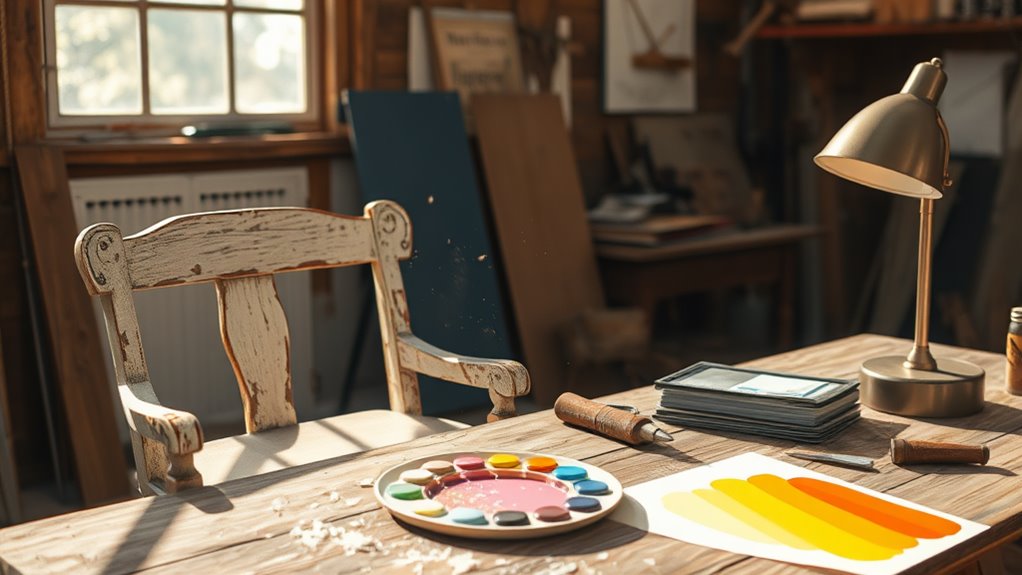
Restoring old furniture for a modern feel starts with solid preparation. Inspect your piece for stability and repair any damage first. Sanding is essential to remove old finishes and showcase the wood's beauty. Next, choose the right paint or stain; lively colors or sleek stains can bring new life. Add character with distressing techniques that reveal layers of history. Focus on modern accents, like updated hardware or mixed materials, to improve the design. Finally, sprinkle in some personal touches for a unique finish. There's much more to explore that can boost your restoration game even further.
Start With a Solid Foundation
As you commence on the voyage of restoring old furniture, start with a solid foundation by evaluating the piece's overall condition. This involves inspecting the foundation types, such as legs, frames, or bases, to determine their structural stability. You're looking for signs of wear, damage, or decay that could compromise the entire piece.
Assess the weight capacity of the foundation and consider whether it needs reinforcement or replacement. This is vital, as a weak foundation can lead to collapse or further damage during the restoration process. Take note of any sagging, unevenness, or loose joints that may indicate underlying issues.
When evaluating the foundation, don't just focus on the visible components. Inspect the underlying structures, such as the frame, brackets, or screws, to verify they're secure and functional. This attention to detail will help you identify potential problems early on, saving you time and effort in the long run.
Sanding Is Key to Success
You'll quickly realize that sanding is an essential step in restoring old furniture, as it allows you to remove old finishes, smooth out surfaces, and reveal the hidden beauty beneath. By sanding, you'll be able to strip away years of grime and wear, exposing the original wood or material. With the right techniques and tools, you'll be amazed at how sanding can transform a worn-out piece into a stunning work of art.
Remove Old Finishes
Removing old finishes is a crucial step in restoring old furniture, and it's a process that requires patience and elbow grease. You'll need to strip away the old, worn-out finishes to reveal the beauty beneath. Start by removing varnish using a varnish remover or a chemical stripper. Apply the remover to the surface, let it sit for the recommended time, and then scrape it off with a putty knife or steel wool. Be sure to work in a well-ventilated area and wear protective gear, as these chemicals can be hazardous.
For paint, you'll need to use a paint stripper. Apply the stripper, let it sit, and then scrape it off. You may need to repeat this process several times to remove all the layers of paint. As you strip away the old finishes, you'll start to see the original wood grain or surface emerge. This is where the magic happens, and you'll begin to envision the modern masterpiece you're creating. Remember to work slowly and methodically, as removing old finishes can be a time-consuming process. But the end result will be worth it – a beautifully restored piece of furniture with a modern twist.
Smooth Out Surfaces
Sanding is often the most crucial step in achieving a smooth surface on your restored furniture. Proper surface preparation can make all the difference between a project that feels dated and one that resonates with modern elegance. By mastering effective sanding techniques, you'll raise your furniture to new heights.
Here are key steps to guarantee your sanding process is successful:
- Choose the Right Grit: Start with a coarser grit to remove imperfections, then move to finer grits for a silky finish.
- Use the Right Tools: Invest in quality sanders and hand tools that suit your furniture's material.
- Sand with the Grain: Always sand in the direction of the wood grain to avoid scratches and achieve a seamless look.
- Keep it Clean: Regularly wipe away dust during sanding to maintain visibility and guarantee an even surface.
- Test Before You Finish: Always test your sanding technique on a small, inconspicuous area first.
Reveal Hidden Beauty
Though you might be eager to apply a fresh coat of paint or stain, revealing the hidden beauty beneath layers of wear and tear starts with effective sanding. This essential step uncovers hidden features that might surprise you, showcasing the craftsmanship and unique character of the piece.
Begin with coarse sandpaper to strip away old finishes, then gradually move to finer grits for a smooth surface. As you sand, keep an eye out for unexpected designs, like intricate carvings or grain patterns that emerge with each pass. This process isn't just about removing imperfections; it's an expedition into the furniture's history, allowing you to appreciate its original artistry.
Don't rush—take your time to explore each section. You'll discover the potential of your piece, transforming it from a forgotten relic into a stunning focal point. Plus, sanding improves paint or stain adhesion, ensuring your new finish lasts longer and looks lively.
Choosing the Right Paint
When you're choosing paint for your furniture, consider the type of paint that best suits your project. Think about color schemes that inspire you and how they'll fit into your space. Additionally, don't forget to explore different finish sheen options to achieve the look you want.
Paint Type Matters
Choosing the right paint is vital for restoring old furniture, as it greatly impacts both the appearance and durability of your piece. You want a finish that not just looks fantastic but also stands the test of time. Here are some important factors to take into account:
- Eco-friendly options: Look for paints with low VOCs to minimize harmful emissions.
- Finish type: Decide between matte, satin, or gloss based on your desired look and maintenance.
- Adhesion strength: Choose paints that bond well to prevent peeling and chipping.
- Weather resistance: If your furniture will be outdoors, opt for paint that withstands the elements.
- Paint durability: Prioritize long-lasting formulations that can handle wear and tear.
Color Schemes Inspiration
Selecting the perfect color scheme can breathe new life into your restored furniture, enhancing its charm and character. When choosing a color palette, think about the vibe you want to create. Are you aiming for a calming retreat or a lively statement piece? Opt for trendy hues that resonate with modern aesthetics, like soft pastels or bold jewel tones.
Consider using a monochromatic scheme for a sleek, cohesive look. This approach can highlight the furniture's unique features as it maintains a contemporary feel. If you're feeling adventurous, try a complementary color scheme, pairing contrasting colors that energize the space.
Don't forget about the surrounding decor! Gather inspiration from your walls, textiles, and accessories to guarantee your chosen colors harmonize with the entire room. You might even explore multi-toned designs that blend several trendy hues for a fresh, eclectic touch.
Ultimately, your color palette should reflect your personality and the story you want your furniture to tell. With the right shades, you can transform a vintage piece into a modern masterpiece that stands out yet still pays homage to its roots.
Finish Sheen Options
Exploring the right finish sheen for your furniture project can greatly impact the overall look and durability of your piece. When considering sheen types, you'll want to balance aesthetics and practicality. Here are some options that can improve your furniture as well as ensuring finish durability:
- High Gloss: Reflective and modern, ideal for contemporary spaces.
- Semi-Gloss: Offers a subtle shine, perfect for kitchens or bathrooms, where durability is key.
- Satin: A soft sheen that's easy to clean, making it great for living rooms or bedrooms.
- Matte: Trendy and understated, but be mindful of potential scuffs.
- Eggshell: A delightful middle ground, combining elegance with resilience.
Choosing the right sheen not just improves your furniture's appearance but also dictates how well it withstands the test of time. High-gloss finishes are stunning but can show imperfections, whereas matte options hide flaws but may require more upkeep. Think about where your piece will live and how much wear and tear it will face. By carefully selecting your finish sheen, you'll achieve a stylish and enduring restoration that feels fresh and modern.
Staining for a Modern Look
Staining old furniture can often transform a dated piece into a stunning, modern focal point in your home. By using innovative furniture stains and modern techniques, you can breathe new life into tired surfaces whilst maintaining their character. Choosing the right stain not just improves the wood's natural beauty but also aligns with contemporary design trends.
Here's a quick overview of stain types and their effects:
| Stain Type | Color Range | Best For |
|---|---|---|
| Water-based | Light to Dark | Quick drying, eco-friendly |
| Oil-based | Rich, Deep Tones | Long-lasting, durable finish |
| Gel stain | Bright to Subtle | Even application on surfaces |
When you approach the staining process, it's crucial to prep the surface properly. Sanding the furniture guarantees a smooth application and allows the stain to penetrate better. Consider applying a pre-stain conditioner if you're working with softwoods to prevent blotching.
Once you've chosen your stain, apply it with a brush or cloth, working in the direction of the wood grain. Don't rush—take your time to achieve an even finish that highlights the unique features of your furniture. After staining, a protective topcoat will seal your work and provide a modern sheen that complements your décor. By embracing these modern techniques, you'll create a beautiful piece that feels fresh and inviting in your space.
Distressing for Character
After achieving a modern look through staining, you might want to add some character back to your piece with distressing techniques. Distressing allows you to breathe life into your furniture, blending the old with the new as it improves its uniqueness. Embracing imperfections can make your piece feel more inviting and authentic.
Here are five effective distressing techniques to contemplate:
- Sandpaper Scraping: Lightly sand areas to create a worn look.
- Chisel Marks: Use a chisel to add intentional nicks and scratches.
- Paint Removal: Scrape away some of the topcoat to reveal layers beneath.
- Hammer Dents: Gently hammer certain spots for a rustic, aged appearance.
- Stain Variations: Apply a darker stain in select areas to mimic wear.
These character improvement methods not only add a story to your furniture but additionally create visual interest and texture. You can choose to focus on specific areas, like corners and edges, where natural wear would likely occur, or go all out for a more dramatic effect.
Hardware Makes a Big Impact
When restoring old furniture, the right knobs and handles can completely transform its look. You can either update existing hardware for a fresh touch or replace it entirely to give your piece a new life. Consider how these small details can make a big impact on your furniture's overall appeal.
Knob and Handle Options
Choosing the right knobs and handles can transform your old furniture from outdated to eye-catching in no time. The hardware you select can dramatically shift the overall aesthetic, making it crucial to choose wisely. Whether you're leaning in the direction of a rustic vibe or a sleek, modern look, the options are vast.
Consider these innovative choices for your furniture:
- Vintage knobs: Perfect for adding character and charm, these knobs evoke nostalgia even as they still feel fresh.
- Minimalist handles: Clean lines and simple designs can give your pieces a contemporary edge.
- Colorful hardware: A pop of color can inject personality and vibrancy into what might be a dull piece.
- Mixed materials: Combining metal and wood or glass can create a unique focal point.
- Custom designs: Personalized hardware allows you to express your individual style.
Update or Replace Parts
Updating or replacing parts of your furniture can make a significant difference in its overall appearance and functionality. One of the easiest ways to breathe new life into an old piece is through hardware selection. Swapping out outdated knobs, handles, or hinges for modern alternatives can transform a tired item into a standout piece that fits your contemporary style.
When it comes to part sourcing, consider exploring local antique shops, online marketplaces, or specialty hardware stores for unique finds. You'll be surprised at the variety available, from sleek metals to bold colors. This not only improves the aesthetic but can additionally enhance usability, making everyday interactions with your furniture more enjoyable.
Don't shy away from experimenting with unexpected combinations. Mixing vintage hardware with modern finishes can create an eclectic look that captures attention. Keep in mind that even small changes can have a big impact; a simple drawer pull can bring cohesion to a room or highlight the character of your furniture.
Upholstering for Comfort
Upholstering old furniture can transform not merely its appearance, but also its comfort level. When you consider this process, you're not merely enhancing aesthetics; you're creating a cozy, inviting space that reflects your style and meets your needs. Here's what to keep in mind for a successful upholstery project:
- Fabric Selection: Choose materials that suit your lifestyle, whether it's durable canvas for heavy use or luxurious velvet for a touch of elegance.
- Cushioning Options: Select the right cushioning to guarantee peak comfort. Memory foam, down feathers, or high-density foam can all provide different levels of support.
- Color and Pattern: Don't shy away from bold colors or patterns that can energize your space. Think about how these choices will interact with existing decor.
- Textural Variety: Incorporate various textures for a dynamic look. Combining smooth and rough fabrics can add depth to your furniture.
- Sustainability: Consider eco-friendly materials that not only feel good but are kind to the planet.
Adding Modern Accents
Incorporating modern accents into your restored furniture can breathe new life into your space, effortlessly bridging the gap between vintage charm and contemporary style. You'll want to focus on integrating elements that improve the piece's aesthetic without overshadowing its original character. Think about using modern textures, like sleek metals or rich woods, to create contrast against the vintage finishes.
Consider adding minimalist design features, such as clean lines or subtle geometric shapes. For instance, swapping out traditional hardware for simple, modern knobs can transform a dated dresser into a statement piece. If your furniture has an intricate design, try pairing it with a minimalist backdrop, like a neutral wall or a simple fabric, which allows the furniture to stand out without feeling cluttered.
Another way to introduce modernity is through color. A fresh coat of paint in a trendy hue can make all the difference. Opt for muted shades or bold, contrasting colors that resonate with current design trends. When you bring in modern accents, aim for a balance that maintains the furniture's integrity during giving it a fresh perspective.
Lastly, consider incorporating accessories that echo modern design principles. A sleek lamp or a contemporary vase can complement your restored piece beautifully. By thoughtfully adding these modern touches, you'll create a harmonious blend of old and new that feels both innovative and stylish, making your space uniquely yours.
Mixing Old With New Materials
Blending old and new materials can improve your restored furniture, adding depth and character as it honors its history. By mixing innovative materials with classic designs, you're not merely preserving the past; you're additionally creating a fresh, modern style that can make your pieces stand out. Here are some ideas to inspire your creative exploration:
- Metal accents: Incorporate metal legs or handles for a sleek contrast.
- Acrylic elements: Use clear acrylic to give an airy feel as it showcases the wood.
- Textured fabrics: Pair vintage wood with bold, contemporary upholstery to make a statement.
- Natural finishes: Combine reclaimed wood with polished surfaces to highlight the beauty of both.
- Glass inlays: Add glass panels to tabletops for a clean, modern twist.
Combining textures is key to achieving harmony in your design. For instance, pairing a rough-hewn wooden table with smooth, modern chairs allows each material to complement the other. When you explore innovative materials, such as eco-friendly composites or repurposed plastics, you not only embrace sustainability but also showcase your commitment to contemporary design trends.
As you mix these elements, remember to maintain a balance. The goal is to create a seamless connection between the old and the new, allowing each material to tell its unique story as it contributes to a cohesive whole. This approach guarantees that your restored furniture reflects both its heritage and your personal style, making it a true centerpiece in your modern home.
Creative Repurposing Ideas
With a bit of creativity, old furniture can find new life in unexpected ways. You can turn a worn-out dresser into a stylish TV stand by removing the drawers and adding a fresh coat of paint. This not just adds to your space but additionally creates a fantastic piece of upcycled decor that stands out.
Consider transforming an old ladder into a unique bookshelf. Simply sand it down, paint it, and lean it against a wall for a vintage chic look. This repurposing idea not just saves space but furthermore gives your home a trendy, rustic flair.
Don't overlook those rickety chairs gathering dust in the corner. With a little upholstery magic, you can revamp them into eye-catching accent chairs. Choose bold fabrics that resonate with your style, and you'll have a statement piece that's both functional and fashionable.
Another innovative idea is to convert an antique trunk into a coffee table. Not just does it serve as a conversation starter, but it additionally provides hidden storage for blankets or magazines.
Lastly, think about using old wooden crates as side tables or stackable storage. They're perfect for achieving that vintage chic aesthetic while adding a layer of charm to your decor.
Finishing Touches and Details
After you've transformed your old furniture, the finishing touches can improve your project from good to stunning. These final steps are all about elevating your piece with innovative finishing techniques and thoughtful detail improvement. It's these small additions that can truly make your furniture stand out in a modern setting.
Here's a quick list of ideas to reflect on:
- Unique Hardware: Swap out old knobs and pulls with contemporary designs for a fresh look.
- Paint Techniques: Experiment with ombre effects or color blocking to add personality.
- Stencils and Decals: Use stencils to create intricate patterns or decals for a playful twist.
- Textured Finishes: Incorporate finishes like matte or satin for depth and interest.
- Protective Coatings: Finish with a clear sealant that accentuates the wood grain while providing durability.
Don't underestimate the impact of these finishing touches. By focusing on detail improvement, you can seamlessly blend vintage charm with modern aesthetics, creating a unique piece that reflects your style. Remember, each choice you make—whether it's a bold color or a subtle texture—contributes to the overall vibe. So, take your time and experiment. The right finishing techniques can turn your restored furniture into a statement piece that draws attention and admiration. Happy crafting!
Frequently Asked Questions
What Tools Do I Need for Furniture Restoration?
They say, "A craftsman is only as good as his tools." For furniture restoration, you'll need a few necessities: quality sandpaper for effective sanding techniques, a sander for larger surfaces, and a putty knife for repairs. Choose finishing options like stains or paints to give your piece a fresh look. Don't forget brushes and rags for application. With the right tools, you can transform old furniture into something innovative and stylish!
How Can I Determine the Age of My Furniture?
To determine the age of your furniture, start by researching furniture styles from different eras. Look for unique characteristics like hardware, wood type, and construction techniques. Check for labels or stamps that may indicate the manufacturer or date. Antique identification guides can likewise help you pinpoint the era. By comparing your piece to known styles, you'll get a clearer idea of its age and potentially uncover its story, blending innovation with history.
Is It Safe to Use Chemical Strippers?
Using chemical strippers isn't always safe; they can release harmful fumes and may damage your furniture. If you're concerned about chemical safety, consider eco-friendly alternatives like vinegar or baking soda. These natural options can effectively remove finishes without the harsh side effects. Embracing innovative restoration methods not merely protects your health but additionally preserves the environment. So, weigh your options carefully and choose a method that aligns with your values and goals.
How Do I Prevent Wood From Warping?
To prevent wood from warping, you've gotta focus on humidity control and proper wood sealing. Keep your environment consistent; use a dehumidifier in damp areas. Seal your wood with high-quality finishes to create a barrier against moisture. Regularly check for any cracks or chips in the sealant, and reapply as needed. By taking these steps, you'll keep your wood looking fresh and guarantee it maintains its intended shape and beauty over time.
Can I Restore Furniture Without Professional Help?
You can absolutely restore furniture without professional help; it's not rocket science! With some DIY techniques and a bit of creativity, you can transform old pieces into stunning statements. Start with furniture refinishing to strip away the old finish, then sand and paint or stain as desired. Embrace your inner designer, and don't be afraid to experiment. You'll uncover your unique style during giving new life to cherished items in your home.