As you prep your home for winter, don't forget the essentials. Inspect your attic, walls, and floors for adequate insulation and seal any gaps or cracks to prevent heat loss. Disconnect and drain hoses from outdoor faucets, and insulate exposed pipes in unheated areas. Schedule a professional tune-up for your heating system, and clear debris from gutters to prevent ice dams. By taking these steps, you'll be well on your way to a cozy, safe, and energy-efficient winter. And, there's even more to explore to make sure your home is fully winter-ready…
Insulate and Seal Your Home
As you prepare your home for winter, start by inspecting your attic, walls, and floors for essential insulation and sealing any gaps or cracks to prevent heat from escaping. This important step will help you achieve energy efficiency and reduce your energy bills. You’ll be surprised at how much heat can escape through tiny openings, making your heating system work harder and increasing your energy consumption. Additionally, consider maintaining heating and cooling systems by scheduling a professional inspection to ensure they are running efficiently. Regular maintenance can prevent unexpected breakdowns during the colder months and extend the lifespan of your equipment. Taking these steps will help keep your home warm and comfortable while also saving on energy costs.
Check for drafty areas around windows, doors, and electrical outlets, as these are common culprits of heat loss. Seal any gaps or cracks with caulk or weatherstripping to keep the warm air in and the cold air out. Don't forget to inspect your attic insulation, ensuring it's adequate and evenly distributed. You may need to add more insulation to achieve the recommended R-value for your region.
Prepare Your Plumbing System
You'll want to take preventative measures to make sure your plumbing system can withstand freezing temperatures by disconnecting and draining hoses from outdoor faucets. This simple step will help prevent water from freezing in the hoses and pipes, which can cause costly damage. Next, you should insulate exposed pipes in unheated areas like the garage, basement, or crawl space. You can use foam pipe insulation or wrap pipes with heat tape or thermostatically controlled heat cables.
It's also essential to seal any cracks or crevices in your pipes and fittings to prevent water from seeping in and freezing. Use pipe sealants or waterproof tape to seal any gaps. Additionally, contemplate installing leak detection devices that can alert you to potential issues before they become major problems. This is especially important if you live in an area prone to freezing temperatures.
When it comes to pipe materials, it's important to know what type of pipes you have in your home. For example, if you have older pipes made of galvanized steel or lead, you may want to consider replacing them with newer, more durable materials like copper or PEX. By taking these steps, you'll be well on your way to protecting your plumbing system from the harsh winter weather.
Maintain Your Heating System
As you prepare your home for winter, don't forget to give your heating system some TLC. You'll want to get into a routine of cleaning your filters regularly to make sure your system runs efficiently and effectively. Additionally, consider scheduling a professional tune-up to catch any potential issues before the cold weather sets in.
Filter Cleaning Schedule
Regularly cleaning your heating system's filters guarantees efficient performance and prevents breakdowns during the cold winter months. As you prepare your home for winter, it's essential to prioritize filter cleaning to maintain good Air Quality and Filter Efficiency. A clean filter confirms that your heating system runs smoothly, reducing the risk of malfunction and breakdowns.
Here's a simple filter cleaning schedule to follow:
- Check and clean your filters every 1-2 months, or as recommended by the manufacturer.
- Replace disposable filters every 1-3 months, depending on usage and manufacturer's instructions.
- Consider upgrading to a high-efficiency filter to improve Air Quality and Filter Efficiency.
Professional Tune-Ups
By guaranteeing your filters are clean, you've taken a significant step in preparing your heating system for winter, but to secure peak performance and safety, consider scheduling a professional tune-up to maintain your heating system. A professional technician will inspect and adjust your system to make sure it's running efficiently and effectively. This is especially important if you haven't had a tune-up in a while or if you've noticed any issues with your heating system.
During a professional tune-up, the technician will check for any potential safety hazards, such as carbon monoxide leaks, and perform necessary repairs or replacements. They'll also inspect your system's components, like the furnace and heat pump, to ensure they're in good working order. Additionally, many professionals offer Energy Audits to identify areas of energy inefficiency in your home. By investing in a professional tune-up, you can prevent costly repairs, reduce energy bills, and even qualify for Maintenance Contracts that provide ongoing support and priority service. Don't wait until it's too late – schedule your professional tune-up today and enjoy a warm and safe winter.
Winterize Your Roof and Gutters
As you prepare your home for winter, don't forget to give your roof and gutters some attention. You'll want to make sure they're in good shape to withstand the harsh weather ahead. Start by tackling the tasks that'll guarantee your roof and gutters are winter-ready, and we'll walk you through the essential steps to get you started.
Clear Debris From Gutters
Clear your gutters of leaves, twigs, and other debris to guarantee proper water flow and prevent ice dams from forming. As you prepare your home for winter, don't overlook this essential step in gutter maintenance. Clogged gutters can cause water to back up and freeze, leading to costly repairs and potential safety hazards.
To make sure your gutters are clear, follow these simple steps:
- Remove large debris like leaves and twigs by hand or with a scoop
- Use a hose to flush out smaller particles and dirt
- Check downspouts for blockages and make sure they're securely attached to the house
Inspect Roof for Damage
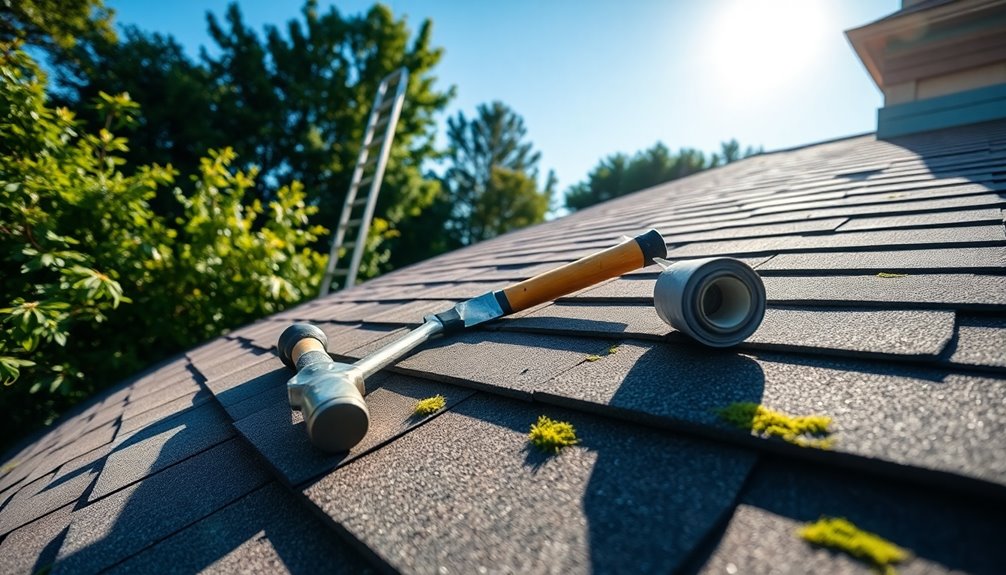
Check your roof for damaged, missing, or loose shingles, as well as curled or buckled ones, to make certain that it can withstand the harsh winter weather. A comprehensive roof inspection is essential to prevent water damage, ice dams, and costly repairs down the line. Create a roof inspection checklist to make sure you don't miss a thing. Look for signs of wear around chimneys, vents, and skylights, as these areas are prone to leaks. Check for missing or damaged flashing, and inspect the condition of your roof's valleys, where water tends to collect. Don't forget to inspect your roof's edges, where ice dams often form. Identifying and addressing these issues now will save you from costly roof repair costs later. By taking the time to inspect your roof, you'll be safeguarding your home and your wallet from the harsh effects of winter.
Secure Loose Shingles
Winter's icy grip can easily dislodge loose shingles, so it's crucial that you fasten them securely to prevent water seepage and costly repairs. You don't want to risk a roof leak causing damage to your home's interior or compromising its structural integrity. To guarantee storm readiness, take the time to inspect your roof and secure any loose shingles.
Here are some tips to help you get started:
- Inspect your roof from the ground using binoculars to spot loose or missing shingles.
- Use a ladder to access the roof and apply shingle adhesive to reattach loose shingles.
- Check for curled or buckled shingles and replace them if necessary to prevent further damage.
Protect Your Pipes From Freezing
When the temperature drops, uninsulated pipes in unheated areas like garages, basements, or crawl spaces are most susceptible to freezing. As you prepare your home for winter, it's essential to take measures to protect your pipes from freezing, which can lead to costly repairs and inconvenient disruptions to your daily routine.
You can start by insulating exposed pipes in unheated areas using pipe insulation materials like foam pipe insulation or heat tape. This will help keep the pipes warm and prevent them from freezing. Additionally, consider installing frost sensors, which can detect freezing temperatures and alert you to take action before the pipes freeze.
Another important step is to disconnect and drain hoses from outdoor faucets, as standing water in these hoses can freeze and cause damage. You should also seal any gaps or cracks in your walls, floors, and ceilings to prevent cold air from reaching your pipes.
Prevent Ice Dams and Icicles
Two key winter roof hazards to address are ice dams and icicles, which can cause costly damage to your home's roof and gutters. As you prepare your home for winter, it's crucial to take proactive steps to prevent these issues. Ice dams, in particular, can be devastating, as they allow water to seep into your home, causing damage to walls, ceilings, and insulation.
To prevent ice dams and icicles, follow these steps:
- Conduct a snow load analysis to make sure your roof can handle the weight of snow and ice. This will help you identify potential weak points in your roof's structure.
- Clear your eavestroughs regularly to ensure water can flow freely and doesn't accumulate, leading to ice dams.
- Insulate and ventilate your attic to regulate temperature and reduce the risk of ice dams forming.
Frequently Asked Questions
What Temperature Should I Set My Thermostat When I'm Away?
When you're away, you're probably wondering what temperature to set your thermostat to. A good rule of thumb is to set it to around 55°F to 60°F (13°C to 16°C). This will help you save energy and reduce your heating bill. Think of it as "Vacation Mode" for your thermostat! By doing so, you'll enjoy significant energy savings, and you'll be serving the environment by reducing your carbon footprint.
Can I Still Use My Ceiling Fan in the Winter?
You're wondering if you can still use your ceiling fan in the winter. Absolutely! In fact, running your ceiling fan in a clockwise direction helps circulate warm air, boosting winter efficiency. This gentle push of warm air towards the floor reduces heating costs and keeps you cozy. So, go ahead and flip that switch – your wallet and the environment will thank you!
How Often Should I Check My Roof for Damaged Shingles?
'A stitch in time saves nine,' and that's especially true when it comes to your roof. You should inspect your roof regularly, ideally every 3-6 months, to catch damaged shingles before they cause costly leaks. Create a roof inspection checklist to make sure you're thorough. Don't wait until water damage occurs; address shingle repair costs head-on. By being proactive, you'll save time and money in the long run, and keep your home safe and secure for those you care about.
Are Portable Heaters a Safe Alternative to a Furnace?
When considering portable heaters as an alternative to a furnace, you're right to wonder about safety. You'll want to prioritize Heater Placement, keeping them at least 3 feet away from flammable materials. Look for Safety Features like automatic shut-off, tip-over protection, and cool-touch exteriors. While they can be a safe option, never leave them unattended or running while you sleep. By taking these precautions, you'll enjoy a warm and safe winter.
Can I Use Rock Salt to Melt Ice on My Roof?
When you're tackling icy roofs, you're battling a slippery slope – literally! You're wondering if rock salt is the solution to melting ice on your roof. While it may seem like a quick fix, beware: rock salt can damage your roof, gutters, and landscaping. Instead, focus on preventing ice dams from forming by ensuring your roof insulation checks out. Insulation gaps can cause ice to accumulate, so seal those gaps and keep your roof safe from damage.