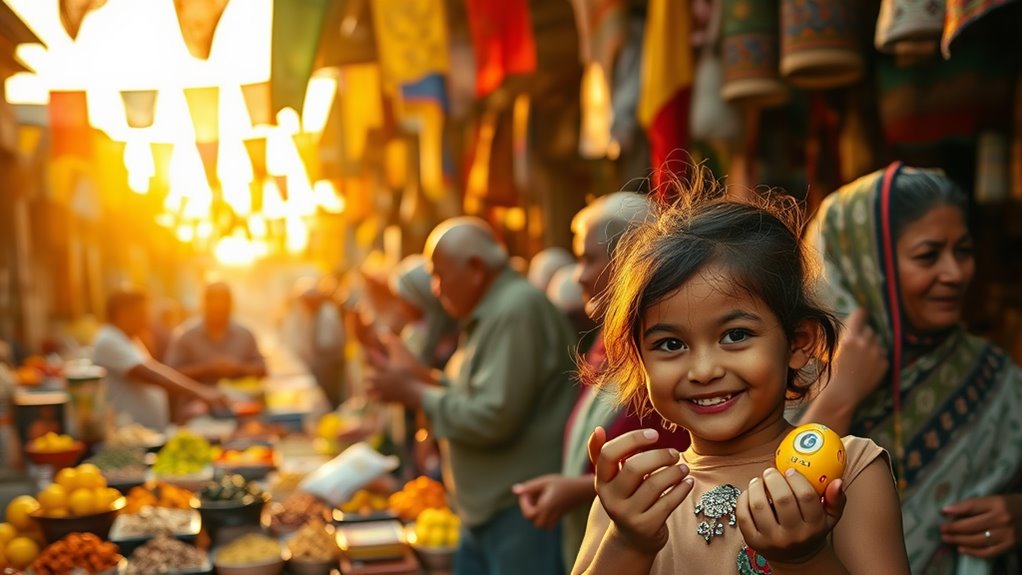
The most eye-opening stories from around the world highlight resilience, innovation, and the indomitable human spirit. In Africa, communities fight against poverty through grassroots movements and support networks. Asia showcases collective strength during crises, whereas Europe offers narratives of post-war recovery and refugee integration. South America inspires with environmental activism that connects local efforts to global justice. Indigenous communities celebrate cultural revival, preserving their languages and traditions. Finally, innovations in education reflect the commitment to inclusivity. Each of these tales reveals profound insights about humanity, encouraging a deeper exploration of these remarkable expeditions and ongoing challenges.
Overcoming Adversity in Africa
Across Africa, countless individuals have demonstrated remarkable resilience in the face of adversity, with approximately 600 million people living in extreme poverty. This staggering statistic underscores the urgent need for transformative change, which is increasingly being driven by community leadership and grassroots movements. These initiatives empower local populations to take charge of their own destinies, nurturing a sense of ownership and responsibility in addressing societal challenges.
Community leadership plays a pivotal role in mobilizing resources and creating networks of support. Local leaders, often emerging from within the community, are uniquely positioned to understand the specific needs and aspirations of their people. Their deep-rooted connections enable them to rally individuals around common goals, whether that be improving access to education, healthcare, or sustainable livelihoods.
Grassroots movements further amplify the voices of marginalized groups, ensuring that their experiences are heard and acknowledged. These movements often leverage social media and other platforms to raise awareness, build solidarity, and advocate for policy changes that reflect the community's needs. By nurturing collaboration and cultivating a spirit of innovation, these efforts have led to tangible improvements in various sectors, including agriculture, health, and education.
In essence, the intersection of community leadership and grassroots movements is vital for overcoming the multifaceted challenges that hinder progress in Africa. By utilizing the collective strength and creativity of local communities, there is potential for sustainable development that not only alleviates poverty but likewise empowers individuals to thrive amidst adversity.
The Power of Community in Asia
In Asia, the influence of community plays a transformative role in addressing societal challenges and nurturing resilience among its diverse populations. Communities across the continent are often characterized by a deep-rooted sense of belonging, where individuals come together to support one another in times of need. This community support is crucial in mitigating the impacts of economic hardships, natural disasters, and social unrest. For instance, during the COVID-19 pandemic, many Asian communities mobilized to provide food, healthcare, and necessary supplies to the vulnerable, showcasing the strength of collective action.
Moreover, the concept of community extends beyond mere support; it additionally encourages cultural exchange. In regions where diverse ethnicities and traditions intersect, communities become melting pots of ideas and practices. This exchange enriches the social fabric, allowing individuals to learn from one another and embrace shared values. Festivals, communal gatherings, and collaborative projects serve as platforms for cultural expression, strengthening ties among members and promoting social cohesion.
The importance of community in Asia is reflected in grassroots movements that advocate for social justice and environmental sustainability. By uniting for common causes, communities not only empower themselves but also drive systemic change. The interdependence cultivated through these communal networks ultimately contributes to a more resilient society, capable of facing challenges with solidarity and purpose. As the world continues to evolve, the lessons learned from Asian communities can provide valuable insights into building resilient societies globally.
Stories of Resilience From Europe
Amidst the diverse sceneries of Europe, stories of resilience emerge that highlight the indomitable spirit of communities facing adversity. In a continent marked by historical upheavals and contemporary challenges, resilience narratives reveal how individuals and groups have navigated European struggles, encouraging hope and renewal in the face of difficulty.
- Post-War Recovery in Germany: After the devastation of World War II, communities in Germany showcased remarkable resilience. Citizens united to rebuild their towns, transforming ruins into lively centers of culture and economy, exemplifying how collective effort can overcome even the most formidable circumstances.
- Refugee Integration in Sweden: In recent years, Sweden has become a haven for refugees fleeing conflict. Resilience narratives from these communities illustrate how they have not just adapted but thrived, contributing to society through entrepreneurship and cultural exchange, enriching the fabric of Swedish life.
- Economic Innovation in Greece: In spite of the financial crisis that shook Greece, narratives of resilience have emerged from local entrepreneurs who have turned challenges into opportunities. By nurturing innovative businesses and sustainable practices, they have revitalized communities, demonstrating the strength of ingenuity in overcoming economic hardships.
These stories collectively embody the essence of resilience across Europe, showcasing how communities can rise from adversity, cultivating strength and unity as they inspire future generations.
Environmental Activism in South America
Environmental activism in South America has emerged as a significant force in the global movement for sustainability and ecological justice. The region is home to some of the world's most biodiverse ecosystems, yet it faces immense challenges, particularly from deforestation and industrial exploitation. Activists have mobilized communities to engage in deforestation protests against the rapid clearing of forests for agriculture, mining, and infrastructure projects. These protests not only highlight the environmental degradation but additionally advocate for the rights of local populations whose livelihoods are threatened.
A vital aspect of this activism is wildlife conservation, which is essential for maintaining the ecological balance. Conservationists work tirelessly to protect endangered species and their habitats, often facing opposition from influential corporate interests. Innovative strategies such as community-based conservation initiatives have emerged, which enable local communities to manage their natural resources sustainably during the preservation of biodiversity.
The rise of social media has further amplified these efforts, enabling activists to share their stories and garner international support. Solidarity movements have sprung up worldwide, linking local struggles in South America with global concerns about climate change and ecological destruction.
Cultural Revivals in Indigenous Communities
Even though globalization presents significant obstacles to Indigenous cultures globally, many communities are actively engaging in cultural revivals that celebrate and preserve their unique traditions and identities. These initiatives not merely promote cultural pride but additionally serve to reconnect individuals with their ancestral knowledge, ensuring that crucial aspects of their heritage endure for future generations.
Here are three key components of these cultural revivals:
- Language Preservation: Many Indigenous communities have initiated programs aimed at revitalizing their languages, which are essential to their identity and worldview. Language classes and immersion programs are fundamental tools in this process.
- Traditional Practices and Arts: The revival of indigenous arts forms a cornerstone of cultural renaissance. This includes crafting traditional items, music, and dance, which embody ritual significance and convey stories of the community's heritage.
- Community Festivals and Storytelling Revival: Festivals serve as lively expressions of cultural identity, showcasing traditional practices through dance and storytelling. These events not only attract participation from community members but also engage younger generations in heritage education, deepening their comprehension of cultural narratives.
Such efforts highlight the resilience of Indigenous communities in the face of modernity. By embracing their history and traditions, they contribute to a rich mosaic of global culture, encouraging respect and insight across diverse societies whilst ensuring their unique identities thrive amidst the challenges of globalization.
Acts of Kindness in Conflict Zones
In the harsh realities of conflict zones, acts of kindness emerge as strong testimonies to the resilience of the human spirit. Amidst suffering and despair, individuals and organizations dedicate themselves to humanitarian efforts that not merely alleviate immediate needs but additionally nurture hope and healing. These gestures, whether small or grand, serve as essential components of peacebuilding initiatives that seek to rebuild communities torn apart by violence.
| Act of Kindness | Impact |
|---|---|
| Providing food and shelter | Restores dignity and safety |
| Offering medical assistance | Saves lives and promotes health |
| Supporting education programs | Empowers future generations |
In conflict zones, local and international volunteers often risk their lives to deliver aid and provide support. These brave souls exemplify the strength of human connection, reminding us that compassion can thrive even in the darkest of circumstances. For instance, in war-torn regions, community members may come together to share resources, ensuring that vulnerable populations receive necessary care and support.
Furthermore, numerous NGOs and grassroots organizations engage in peacebuilding initiatives that promote dialogue and insight among divided communities. Such efforts not just provide immediate relief but additionally lay the groundwork for long-term reconciliation and coexistence. Through these acts of kindness, the indomitable spirit of humanity shines through, illuminating paths toward healing and harmony in the most challenging environments.
Innovations in Education Worldwide
Innovations in education are reshaping how learning occurs globally, driven greatly by technology. These advancements not only improve traditional teaching methods but likewise promote inclusive practices that cater to diverse learning needs. As we explore these developments, it is essential to examine their impact on accessibility and engagement in various educational contexts.
Technology-Driven Learning Methods
Across the globe, educational institutions are increasingly embracing technology-driven learning methods to boost student engagement and improve outcomes. These innovative approaches leverage advancements in digital technology to create more effective learning environments. Key developments include:
- Virtual Classrooms: Utilizing video conferencing tools, educators can reach students in diverse geographical locations, nurturing a sense of community and collaboration that transcends physical boundaries.
- Personalized Learning: Adaptive learning platforms analyze student performance in real-time, allowing for customized educational experiences that cater to individual strengths and weaknesses. This personalization promotes deeper comprehension and retention of knowledge.
- Gamification: By incorporating game-like elements into the curriculum, educators can improve motivation and engagement. Students are more likely to participate actively when learning feels enjoyable and rewarding.
These technology-driven learning methods are reshaping the educational environment, making it more inclusive and accessible. As schools and universities adopt these tools, they not only prepare students for a swiftly evolving job market but also nurture critical skills necessary for lifelong learning. The integration of technology in education signifies a promising shift towards more effective and engaging learning experiences worldwide.
Inclusive Education Practices
The integration of technology in educational settings has paved the way for more inclusive education practices worldwide, ensuring that all learners, regardless of their background or abilities, have access to quality education. Inclusive classrooms are designed to accommodate diverse learning needs, nurturing an environment where every student can thrive. Innovative tools such as adaptive learning software and assistive technologies enable personalized learning experiences, allowing educators to tailor their teaching methods to individual strengths and challenges.
Moreover, the emphasis on equitable access to resources has transformed traditional educational paradigms. Schools are increasingly adopting strategies that involve collaboration among teachers, parents, and the community to support learners with disabilities and those from marginalized groups. For instance, the use of online platforms provides additional learning materials and resources that can be accessed anytime, breaking down geographical and socio-economic barriers.
These inclusive practices not merely promote academic success but likewise cultivate a culture of empathy and comprehension among students. By prioritizing inclusivity, educational institutions are not just preparing students for academic challenges but also equipping them with the social skills necessary to thrive in a diverse world.
Tales of Refugees and Asylum Seekers
The experiences of refugees and asylum seekers highlight their arduous expeditions toward safety, often marked by peril and uncertainty. Amidst these challenges, many demonstrate remarkable cultural resilience, preserving their identities during adapting to new environments. Nevertheless, the shift to new homes is fraught with difficulties, as they navigate systemic barriers and the search for belonging in unfamiliar territories.
Journey to Safety
Every day, countless individuals commence on perilous expeditions, driven by the desperate need to escape conflict, persecution, or violence in their home countries. Their travels are fraught with challenges, yet the hope for a better life propels them forward. Humanitarian efforts have emerged to provide assistance and create safe havens, where these individuals can seek refuge and rebuild their lives.
The path to safety often encapsulates a myriad of experiences, including:
- Treacherous Crossings: Many refugees undertake dangerous routes, risking their lives to cross borders and oceans in search of safety.
- Support Networks: Community organizations and volunteers play an important role in offering vital resources, such as food, shelter, and medical care, to those in need.
- Legal Challenges: Asylum seekers confront complex legal systems, maneuvering the intricacies of immigration laws to secure their right to remain in a new country.
Despite the intimidating obstacles, the resilience of refugees underscores the significance of global solidarity and compassion. By cultivating safe havens and supporting humanitarian efforts, we can honor their paths and facilitate their integration into society.
Cultural Resilience Stories
Cultural resilience manifests strongly in the lives of refugees and asylum seekers, who often bring rich traditions and diverse perspectives to their new communities. In spite of the challenges they face, these individuals endeavor to maintain their cultural identity while contributing positively to the fabric of society. Their traditional practices, whether in the form of cuisine, art, or festivals, serve as a bridge connecting their past with their present.
For instance, many refugees establish community organizations that celebrate their heritage, offering workshops that teach traditional crafts or cooking methods. These initiatives not only preserve cultural practices but also promote comprehension and appreciation among local populations. Furthermore, storytelling becomes an essential tool for sharing experiences, allowing refugees to narrate their experiences and the significance of their cultural roots.
Challenges in New Homes
Maneuvering through the intricacies of a new home presents significant challenges for refugees and asylum seekers, often marked by the struggle to adapt to unfamiliar social, economic, and legal environments. One of the most pressing issues they face is housing affordability, as many arrive with limited financial resources. This situation is exacerbated by urban displacement, where rapid city growth pushes affordable housing out of reach.
The challenges can be summarized as follows:
- Cultural Barriers: Refugees and asylum seekers often encounter language differences and cultural misunderstandings, complicating their ability to communicate effectively with landlords and service providers.
- Legal Hurdles: Traversing the legal terrain can be intimidating, as many are not familiar with their rights and responsibilities in their new country, leading to potential exploitation or eviction.
- Social Isolation: The lack of a supportive community network can intensify feelings of isolation, making it difficult for individuals to seek help or integrate into their new environment.
Addressing these challenges is vital to nurturing a sense of belonging and stability for those seeking refuge and a new beginning.
Unforgettable Journeys of Migration
Across continents and through tumultuous circumstances, the stories of migration reveal the resilience and determination of individuals seeking a better life. These migration narratives are not merely accounts of physical relocation; they encompass the profound emotional and psychological odysseys that shape cultural identity. Each story reflects the intricacies of uprooting one's life, often driven by factors such as conflict, economic hardship, or the pursuit of education and opportunity.
Migrants frequently face intimidating challenges that test their resolve. The initial odyssey, filled with uncertainty, often leads to a myriad of experiences that contribute to a richer comprehension of their own cultural identity. The blending of traditions, languages, and customs with those of their new surroundings creates a dynamic fabric of multiculturalism. Through their narratives, these individuals illuminate the struggles and triumphs of adapting to a foreign environment during the maintenance of a connection to their roots.
Furthermore, the impact of migration extends beyond the individual, influencing communities and nations. As migrants forge new paths, they introduce diverse perspectives and innovations, nurturing a sense of global interconnectedness. Their stories serve as a reminder of humanity's shared quest for belonging and acceptance.
Ultimately, the unforgettable odysseys of migration encapsulate a spectrum of experiences that underscore the enduring spirit of individuals aspiring for a better future. By grasping these migration narratives, we gain insight into the profound significance of cultural identity and the transformative influence of resilience in the face of adversity.
Celebrating Diversity Through Art
Art serves as an influential medium through which diversity is celebrated and expressed, transcending linguistic and cultural barriers. Through various forms of artistic expression, communities share their unique narratives and promote cultural exchange. This not merely improves comprehension but additionally honors our global heritage, promoting inclusivity.
- Community Murals: These large-scale artworks often reflect the voices and histories of local populations. They serve as a canvas for community engagement, transforming public spaces into lively expressions of identity and belonging.
- Diversity Exhibitions: Art galleries and museums increasingly curate exhibitions that highlight diverse artistic perspectives. These platforms provide artists from different backgrounds the opportunity to showcase their work, thereby enriching the cultural dialogue.
- Cross-Cultural Installations: Collaborative projects that merge various artistic traditions challenge the audience's perceptions and encourage a deeper appreciation for differences. Such installations often utilize visual storytelling to convey impactful messages about unity and shared human experiences.
Additionally, artistic activism plays a significant role in advocating for social change, using art as empowerment to address issues of inequality and injustice. Through creative collaboration, artists can engage with their communities, inspiring action and reflection. As we celebrate diversity through art, we not merely enrich our own lives but additionally contribute to the creation of a more empathetic and interconnected world. Art, in its various forms, remains a vital vehicle for highlighting the beauty and complexity of human experiences across cultures.
Frequently Asked Questions
How Can I Support Communities Featured in These Stories?
Supporting communities featured in impactful narratives can be achieved through active community engagement and participation in grassroots initiatives. Individuals can contribute by volunteering their time and resources to local organizations, advocating for policy changes that benefit these communities, or donating to relevant causes. Furthermore, raising awareness through social media and encouraging dialogue can amplify their voices. Engaging authentically guarantees that support is customized to the specific needs and aspirations of the communities involved.
What Are the Common Themes Across These Global Stories?
Across diverse narratives, common themes emerge like threads in a rich fabric, weaving together stories of human experience. Central to these tales are global empathy and resilience lessons that highlight the strength of communities facing adversity. Whether through acts of kindness or innovative solutions to hardship, these stories reveal our shared humanity and the potential for positive change, nurturing a deeper comprehension of the interconnectedness that binds us all.
How Do Cultural Differences Influence Resilience Narratives?
Cultural differences greatly shape resilience narratives by influencing individuals' narrative identity. In various cultures, the interpretation of adversity and the pathways to recovery can vary markedly. Cultural resilience often reflects collective values, beliefs, and practices that inform how communities respond to challenges. These narratives not solely encapsulate personal experiences but additionally reinforce communal bonds, nurturing a shared identity that improves resilience. As a result, comprehending these cultural nuances is vital for appreciating the diversity of resilience across contexts.
Are There Any Documentaries on These Topics?
Certainly, several documentaries explore the intersection of cultural differences and resilience narratives. Notable recommendations include "Human" and "Won't You Be My Neighbor?" which utilize compelling storytelling techniques to highlight diverse human experiences. These films not just engage viewers but additionally promote comprehension of resilience across cultures. By presenting personal stories, they illustrate how unique backgrounds shape responses to adversity, finally enriching our collective narrative of human strength and perseverance.
How Can I Get Involved in Environmental Activism Locally?
To engage in local environmental activism, consider participating in community gardening initiatives, which promote sustainable practices and encourage community relationships. Furthermore, advocate for waste reduction by organizing clean-up events, recycling drives, or educational workshops that inform residents about minimizing waste. Collaborating with local organizations improves your impact, while providing valuable networking opportunities with like-minded individuals. In the end, active involvement in these areas can greatly contribute to a healthier environment and a stronger community.

