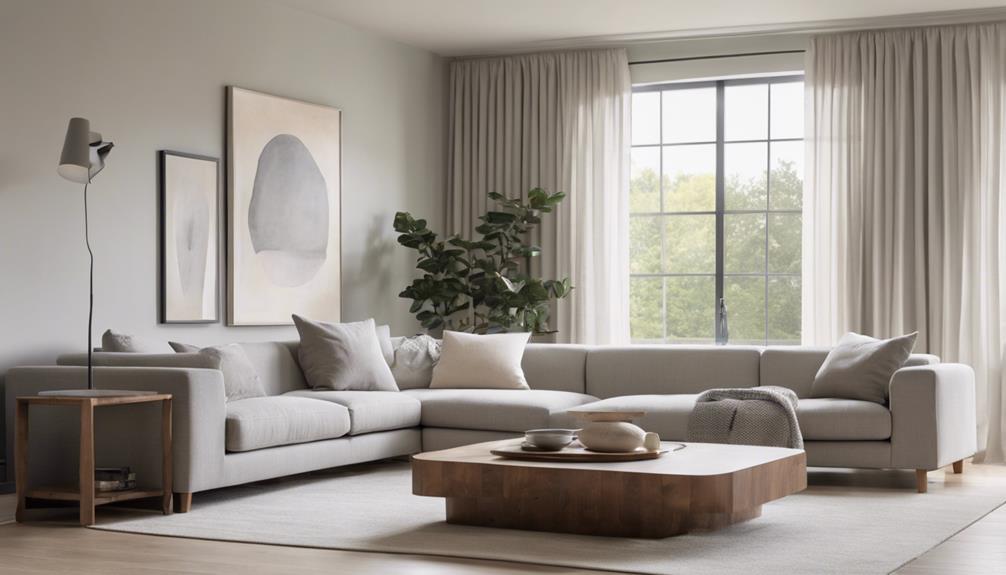
When choosing furniture for your space, start by measuring your area carefully, considering doorways, obstacles, and room traffic flow. Think about your lifestyle needs and personal style to select pieces that fit your daily habits and preferences. Look for multi-functional furniture that optimizes space, and don't forget to create a budget and stick to it. By taking these steps, you'll be well on your way to finding the perfect furniture for your space. Now, take the next step and discover how to allocate your budget effectively, define your personal style, and more to turn your space into a haven that truly reflects you.
Measure Your Space Carefully
Before bringing any new furniture into your space, take out your tape measure and carefully record the dimensions of each room, including doorways, hallways, and any obstacles, to guarantee a smooth and stress-free furniture shopping experience. This essential step will save you from the frustration of purchasing a piece that doesn't fit or, worse, getting stuck with a bulky item that's impossible to return.
As you measure, make note of any tight spaces, narrow corridors, or awkward corners that might affect your furniture choices. Consider creating a room diagram or using online furniture templates to visualize your space and potential layouts. This will help you identify the best furniture size and shape for each area.
When recording room dimensions, don't forget to include measurements of door and window openings, as well as any architectural features that might impact furniture placement. Having these precise measurements will enable you to filter out unsuitable options and focus on finding the perfect pieces for your space.
Consider Your Lifestyle Needs
As you think about the furniture you need, consider how you live your daily life. Do you work from home and need a dedicated workspace, or do you love to host dinner parties and require a large dining table? By thinking about your daily habits and personal space needs, you'll be able to choose furniture that truly supports your lifestyle.
Daily Habits Matter
You spend most of your day lounging on the couch, so it's important to ponder how you'll be using your furniture in your daily routine. Your daily habits matter when choosing the right furniture for your space. Consider how you'll be using your furniture during different times of the day.
For instance, think about your:
- Morning routines: Do you like to sip coffee on the couch while checking your phone, or do you prefer a dedicated breakfast nook?
- Evening windowns: Do you like to lounge on the couch with a book or watch TV before bed?
- Work-from-home setup: Do you need a dedicated desk or a comfortable reading nook?
- Social gatherings: Do you entertain frequently, or is your space more intimate?
- Self-care habits: Do you practice yoga or meditation, requiring a peaceful, quiet space?
Considering these daily habits will help you choose furniture that fits your lifestyle, making your space functional and comfortable.
Personal Space Needs
Assess your lifestyle needs by asking yourself what type of space will support your overall well-being and happiness. Your personal space needs are unique, and understanding them is vital in choosing the right furniture for your space. Consider how you like to relax, work, and socialize. Do you need a private sanctuary to recharge, or do you thrive in open, shared spaces? Establishing personal boundaries is essential in creating a comfortable and functional space that caters to your lifestyle. If you're an introvert, you may prefer a cozy reading nook or a quiet workspace. On the other hand, if you're a social butterfly, you might prioritize open areas for entertaining. Think about your daily routines, habits, and preferences to determine the ideal layout and furniture arrangement that suits you best. By doing so, you'll create a space that not only reflects your personality but also supports your overall well-being and happiness.
Define Your Personal Style
Your personal style is reflected in the way you live, work, and socialize, making it essential to pinpoint the elements that bring you joy and comfort in your surroundings. When choosing furniture, it's important to define your personal style to create a space that truly reflects who you are.
To get started, think about the styles that resonate with you. Do you lean towards:
- Rustic Chic: Think reclaimed wood, earthy tones, and vintage decor. You love the charm of a cozy cabin or a farmhouse.
- Coastal Vibes: You're drawn to the freshness of the ocean, with light, airy colors, and natural textures like wicker and jute.
- Minimalist Chic: Clean lines, monochromatic colors, and a focus on functionality are your thing.
- Bohemian Bazaar: You thrive in a space filled with eclectic patterns, vibrant colors, and global-inspired accents.
- Industrial Edge: Exposed brick, metal accents, and reclaimed wood give you a sense of urban grit.
Think About Room Traffic Flow
Now that you've pinpointed your personal style, it's time to contemplate how you'll move around your space, as the flow of traffic can greatly impact the functionality of your furniture arrangement. Think about how you'll navigate through your room – will you need to squeeze past a bulky sofa or sidestep a coffee table to reach the bookshelf? By considering room traffic flow, you can create a harmonious and efficient space that makes life easier for you and your loved ones.
As you visualize your room's layout, identify the circulation zones – areas where people will naturally move through, such as between the sofa and armchair or around the dining table. Make sure that these zones remain clear of clutter and obstructions, allowing for smooth passage. You can also create corner paths by placing furniture in a way that guides people around corners, reducing congestion and promoting a sense of flow.
When arranging your furniture, keep in mind that the flow of traffic should be logical and intuitive. Avoid placing furniture in a way that forces people to take a detour or backtrack. By focusing on room traffic flow, you'll create a space that's not only aesthetically pleasing but also functional and easy to navigate.
Choose Multi-Functional Pieces
When choosing furniture for your space, you’ll want to prioritize multi-functional pieces that serve more than one purpose. By doing so, you’ll be able to maximize your space while minimizing clutter. Look for space-saving designs that can optimize your room’s layout, allowing you to make the most of every square foot. Additionally, selecting furniture with built-in storage can help keep your space organized and free of unnecessary items. Consider how your furniture choices complement the best flooring options for your room, ensuring a cohesive and functional design. Versatile pieces, such as foldable tables or modular seating, can further enhance flexibility while maintaining a stylish aesthetic.
Space-Saving Designs
In compact homes, opting for multi-functional pieces can be a lifesaver, as they enable you to conserve floor space without sacrificing style or functionality. By selecting furniture that serves more than one purpose, you can create a more efficient and organized living space that serves you and your loved ones.
Here are some space-saving design ideas to explore:
- Compact shelves: Install shelves that can be folded up against the wall when not in use, providing extra storage without taking up valuable floor space.
- Hidden storage: Incorporate furniture with built-in storage, such as an ottoman with a hidden compartment or a coffee table with storage bins.
- Murphy beds: Invest in a murphy bed that can be folded up against the wall, providing more floor space for other activities.
- Desk with storage: Choose a desk with built-in storage, such as drawers or shelves, to keep your workspace organized and clutter-free.
- Modular furniture: Opt for modular furniture that can be easily rearranged or added to as your needs change, providing flexibility and versatility in your living space.
Optimize Room Layout
By strategically placing multi-functional pieces, you can create a harmonious room layout that maximizes space and enhances functionality. This approach allows you to make the most of your space, ensuring that every corner is utilized efficiently. Consider investing in furniture with built-in storage, like an ottoman with a hidden compartment or a coffee table with built-in shelves. These pieces can help keep clutter at bay while keeping essential items within reach. When arranging your furniture, think about creating furniture paths that guide people through the room. This will help prevent congestion and make it easier to move around. Don't forget to make the most of corner spaces by using corner shelves, carousels, or desks. By doing so, you'll create a seamless flow and make your space feel more expansive. By choosing multi-functional pieces and optimizing your room layout, you'll be able to create a space that's both beautiful and functional, perfect for serving others and fostering meaningful connections.
Don't Forget About Lighting
You'll need to think about how lighting will affect the ambiance and functionality of your space. It's not just about illuminateing a room, but creating an atmosphere that makes you feel comfortable and productive. When choosing furniture, consider the role lighting plays in enhancing or detracting from your space.
To get it right, keep the following in mind:
- Layered Lighting: Create Ambient Layers by combining different light sources, such as overhead lighting, table lamps, and floor lamps, to achieve a balanced and inviting atmosphere.
- Task Orientation: Consider the tasks you'll be performing in each area, and position lighting to support those tasks, such as under-cabinet lighting in the kitchen or a desk lamp in a home office.
- Natural Light: Don't forget to make the most of natural light by placing furniture in a way that takes advantage of windows and skylights.
- Dimmability: Install dimmers or use table lamps with adjustable brightness to customize the lighting to your needs.
- Color Temperature: Choose bulbs with a color temperature that suits your space, such as warm white for a cozy atmosphere or cool blue for a energizing effect.
Balance Scale and Proportion
Now that you've considered the impact of lighting on your space, it's time to think about the visual harmony of your furniture, ensuring each piece complements the others in terms of balance, scale, and proportion. This is essential in creating a cohesive and inviting atmosphere. When choosing furniture, consider the spatial relationships between each piece. Make sure that the scale of each item is proportional to the others and the room itself. A large sofa in a small room can make the space feel cramped, while a tiny chair in a grand room can look lost.
To achieve visual harmony, balance is key. Distribute the visual weight of your furniture throughout the room. For example, if you have a heavy, dark-colored sofa, balance it with a lighter-colored armchair on the opposite side of the room. Proportion is also important. A large piece of furniture should be balanced by a similar-sized piece, or a collection of smaller items that add up to its visual weight. Remember, it's not about matching every piece, but about creating a sense of harmony and flow. By considering balance, scale, and proportion, you'll create a space that feels balanced, inviting, and functional – a true reflection of your personal style.
Select Materials and Textures
When evaluating materials and textures for your furniture, you'll want to explore a range of options that fit your lifestyle and personal taste. You'll need to weigh the benefits of natural fabric choices, modern synthetic alternatives, and durable material mixtures that offer the best of both worlds. By exploring these different options, you'll be able to create a cohesive look that's both functional and aesthetically pleasing.
Natural Fabric Options
Selecting the right natural fabric for your furniture involves taking into account a range of materials and textures that not only look great but also feel comfortable and durable. As you explore sustainable textiles for your eco-friendly upholstery, you'll want to take into account the following natural fabric options:
- Cotton: A popular choice for upholstery, cotton is a breathable, natural fiber that's easy to clean and maintain.
- Linen: Known for its durability and texture, linen is a great option for those who want a natural, earthy look.
- Wool: A natural insulator, wool is perfect for furniture that'll be used in colder climates or for those who tend to feel chilly.
- Hemp: A highly durable and sustainable option, hemp is a great choice for those who want a natural fabric that'll withstand heavy use.
- Bamboo: Soft, breathable, and eco-friendly, bamboo is an excellent option for those who want a natural fabric that's gentle on the environment.
When choosing a natural fabric, remember to take into account factors like durability, comfort, and maintenance requirements to select the perfect fabric for your furniture and your lifestyle.
Modern Synthetic Choices
Your search for the perfect synthetic fabric leads you to a range of modern materials and textures that offer durability, style, and ease of maintenance. As you explore these options, you'll discover high-tech materials that not only look great but also provide exceptional performance. Many of these modern synthetic choices are eco-friendly options, making them an excellent choice for those who prioritize sustainability. For instance, you can opt for recycled polyester fabrics that reduce waste and conserve natural resources. Another advantage of modern synthetic fabrics is their stain-resistance and water-repellent properties, making them perfect for high-traffic areas or homes with pets. Additionally, these materials are often easy to clean and maintain, saving you time and effort in the long run. By choosing modern synthetic fabrics, you can create a beautiful, functional, and sustainable space that benefits both you and the environment.
Durable Material Mixtures
You can combine modern synthetic fabrics with other durable materials to create unique textures and visual interest in your space. By blending different materials, you can achieve a look that's both functional and aesthetically pleasing. This approach is especially useful when you want to create a cohesive look while incorporating sustainable and eco-friendly elements.
Some popular durable material mixtures worth exploring include:
- Sustainable composites: Combine recycled plastics with natural fibers like bamboo or wood to create a durable and eco-friendly material.
- Material blending: Mix synthetic fabrics with natural fibers like cotton or linen to create a unique texture and visual interest.
- Reclaimed wood accents: Combine reclaimed wood with durable metal or plastic frames to add warmth and character to your space.
- Natural fiber upholstery: Use natural fibers like wicker or rattan to add texture and warmth to your furniture.
- Hybrid materials: Combine different materials like metal, wood, and plastic to create a durable and sustainable material that's perfect for high-traffic areas.
Add a Focal Point Piece
Incorating a statement piece into your space can instantly elevate the room's aesthetic and draw the eye to a specific area, creating a sense of visual interest. This focal point piece serves as a design anchor, visually anchoring the room and creating a sense of harmony. By incorporating a statement piece, you're creating a room anchor that draws the eye to a specific area, breaking up the space and creating a sense of visual flow.
When choosing a statement piece, consider what you want to draw attention to. Is it a stunning view, a beautiful fireplace, or a unique architectural feature? By placing a statement piece nearby, you're creating a visual anchor that draws the eye to that area. This can be especially effective in open-plan spaces, where a statement piece can help define different areas within the room.
Think Vertically Not Just Horizontally
When arranging furniture, don't just focus on the floor plan, as considering the vertical space can add depth and visual interest to the room. By thinking vertically, you can create a sense of airiness and make the most of your ceiling height. This is especially important in smaller rooms, where maximizing storage and making the most of available space is vital.
Here are some tips to help you think vertically:
- Use floor-to-ceiling curtains or drapes to draw the eye upwards and create the illusion of higher ceilings.
- Install shelves or storage units that go up to the ceiling to maximize storage and keep clutter at bay.
- Choose furniture with a vertical emphasis, such as a tall bookcase or a console table with storage, to add visual interest and functionality.
- Consider a ceiling-mounted light fixture to draw the eye upwards and create a sense of height.
- Don't be afraid to go big with your wall decor, using large pieces of art or mirrors to create a sense of grandeur and verticality.
Consider the Room's Purpose
Your furniture choices should reflect the room's purpose, whether it's a cozy reading nook, a home office, or an entertainment space. This means considering how you'll use the room and what activities will take place there. For instance, if you're designing a home office, you'll need a functional workspace with a desk, chair, and storage for office supplies. On the other hand, a cozy reading nook might require a comfortable armchair, a floor lamp, and a side table to hold your favorite books.
Think about the functional zones you need to create within the room. Will you have a dedicated area for working, relaxing, or socializing? Identifying these zones will help you choose furniture that serves a purpose, rather than just filling the space. For example, an entertainment space might require a large sectional sofa, a coffee table, and a media console, while a home gym might need a mirror, a yoga mat, and exercise equipment.
As you plan your space, consider the activity hubs that will bring people together or facilitate solo activities. Will you have a reading area, a homework station, or a game zone? By understanding the room's purpose and the activities that will take place, you can choose furniture that supports those activities and creates a functional, comfortable space that serves you and your loved ones.
Create a Budget and Stick
Set a realistic budget for your furniture shopping spree, and stick to it to avoid overspending and buyer's remorse. It's essential to exercise financial discipline when selecting furniture for your space, as costly mistakes can be detrimental to your wallet. Before you start browsing, determine how much you're willing to spend and allocate your budget accordingly.
Here are some tips to help you create a budget and stick to it:
- Assess your needs: Identify the essential pieces of furniture you need, and prioritize them based on importance and urgency.
- Research prices: Look up prices for similar items online or in-store to get an idea of how much you should expect to pay.
- Set a contingency fund: Allocate 10-20% of your budget for unexpected expenses or last-minute changes.
- Consider the cost of ownership: Factor in maintenance, repair, and replacement costs for each piece of furniture.
- Leave room for flexibility: Be prepared to adjust your budget if you find a better deal or a piece that's worth splurging on.
Frequently Asked Questions
Can I Mix and Match Different Furniture Styles in One Room?
You're wondering if you can mix and match different furniture styles in one room. Absolutely, you can! In fact, combining styles can create a unique, eye-catching space. For instance, pairing Coastal Chic accents with Rustic Elegance pieces can add visual interest and depth. Don't be afraid to experiment and find the perfect blend that reflects your personal style. Remember, it's all about balance and harmony – so have fun and get creative!
How Do I Choose Furniture for a Room With a Weird Shape?
You're faced with a room that's anything but rectangular! Don't worry, you can still create a functional and beautiful space. Look for corner solutions that maximize storage and optimize the angular layouts. Consider floating furniture or multi-functional pieces that can adapt to the room's unusual shape. By embracing the quirks of your space, you'll create a unique and functional area that serves you and your guests.
What if I Have Pets or Young Children, What Furniture Is Best?
You're not alone in worrying about furniture that can withstand the chaos of pets and young children. Imagine a space where messy moments are minimized, and relaxation is maximized. Look for stain-resistant fabrics and kid-friendly materials that can withstand accidental spills and curious little hands. Opt for durable, easy-to-clean pieces that'll make your life easier, and your space, a haven.
Can I Use Outdoor Furniture Pieces Indoors and Vice Versa?
Can you use outdoor furniture pieces indoors and vice versa? You can, but consider the material limitations. Outdoor furniture is designed to withstand the elements, so it may be too bulky or heavy for indoors. Conversely, indoor furniture might not have the weather resistance to hold up outside. You'll need to weigh the pros and cons, but with careful consideration, you can successfully repurpose furniture to serve others in any setting.
Are There Any Eco-Friendly and Sustainable Furniture Options Available?
Imagine a green oasis in your home, where eco-friendliness meets style. You're in luck! Yes, there are many eco-friendly and sustainable furniture options available. You can opt for bamboo furniture, a highly renewable resource. Or, choose pieces made from recycled materials, giving old items a new life. By doing so, you'll reduce waste and minimize your carbon footprint. You'll be serving the planet, and your home, well.