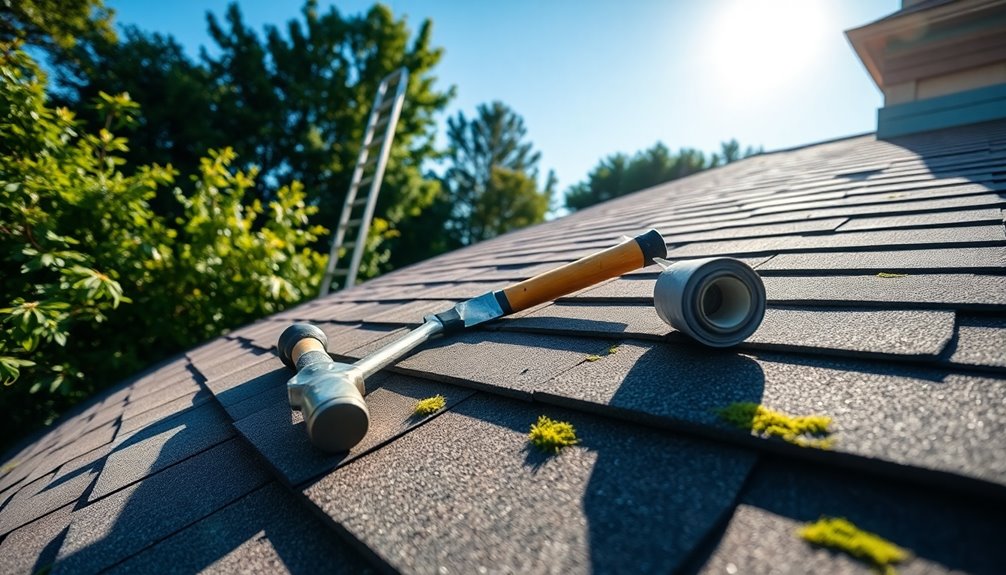
You want to guarantee your home’s roof stays in top condition, protecting you and your loved ones from the elements. Start by inspecting your roof regularly, checking for damaged or missing shingles, and examining flashing and sealants. Don’t forget to clear debris from gutters and trim trees and shrubs. Look for signs of wear, like water spots or ceiling discoloration, and inspect chimneys and vents. You’ll also want to check your roof ventilation systems and schedule professional inspections to catch potential issues early. By following these tips, you’ll be well on your way to maintaining a secure and safe roof – and there’s even more to discover. Additionally, consider how maintaining your roof ties into overall home safety, just like childproofing your home to protect little ones. A well-maintained roof helps prevent leaks, mold growth, and structural damage, ensuring a secure environment for your family. Staying proactive with repairs and seasonal maintenance will extend your roof’s lifespan and keep your home safe for years to come.
Inspect Your Roof Regularly
Regular roof inspections can help you identify potential problems before they become major issues, so make it a habit to examine your roof at least twice a year, ideally in the spring and fall. By doing so, you'll guarantee Roof Safety and avoid costly repairs down the line. It's vital to prioritize your safety during these inspections, so consider hiring a professional if you're not comfortable with heights or don't have the necessary expertise.
When inspecting your roof, look for signs of wear and tear, such as curled, buckled, or missing shingles, and check for damaged flashing around chimneys, vents, and skylights. Make a note of any issues you find, and address them promptly to prevent further damage. It's also important to review your Insurance Coverage to ensure you're adequately protected in case of unexpected roof repairs or replacements.
Check for Damaged Shingles
As you inspect your roof, check individual shingles for signs of damage, such as cracks, tears, or missing granules, and make a note of any that need replacement. Damaged shingles can greatly compromise your roof's overall durability and longevity. Even a single damaged shingle can allow water to seep in, causing further damage to your roof and potentially leading to costly repairs.
When checking for damaged shingles, look for signs of wear and tear, such as curled or buckled shingles, which can indicate a loss of shingle durability. Also, check for missing or loose granules, which can expose the underlying asphalt and reduce the shingle's water-resistance. Make sure to inspect the shingles around chimneys, vents, and skylights, as these areas are more prone to damage.
Replacing damaged shingles promptly is essential to maintaining your roof's longevity. Failing to do so can lead to more extensive and costly repairs down the line. By regularly inspecting and replacing damaged shingles, you can help extend the life of your roof and prevent costly repairs. Remember, a well-maintained roof is vital to protecting your home and its contents from the elements. By taking proactive steps to maintain your roof, you can ensure your home remains safe and secure for years to come.
Inspect Flashing and Sealants
You'll also want to examine the flashing and sealants around chimneys, vents, and skylights, as these areas are common sources of leaks and water damage. Flashing, a material used to direct water away from vulnerable areas, comes in various types, including rubber, plastic, and metal. Each type has its own strengths and weaknesses, and selecting the right one for your roof is essential.
| Flashing Type | Strengths | Weaknesses |
|---|---|---|
| Rubber | Flexible, easy to install | Prone to cracking, limited lifespan |
| Plastic | Inexpensive, easy to clean | May become brittle, limited durability |
| Metal | Durable, resistant to weathering | Expensive, may rust if not coated |
When selecting a sealant, consider factors like durability, flexibility, and adhesive strength. A good sealant should be able to withstand harsh weather conditions and last for years to come. Look for sealants specifically designed for roofing applications, and always follow the manufacturer's instructions for application.
Clear Debris From Gutters
Clearing debris from your gutters is a crucial maintenance task, especially after heavy storms or during fall when leaves and branches tend to accumulate. Failing to do so can lead to clogged gutters, which can cause water to overflow and damage your home's foundation, walls, and landscaping. As a homeowner, it's vital to prioritize gutter maintenance to guarantee proper yard drainage and prevent costly repairs.
To clear debris from your gutters, follow these steps:
- Gather necessary tools: Grab a ladder, gloves, and a scoop or trowel to remove debris.
- Remove large debris: Start by removing large branches and leaves from the gutters. This will make it easier to clean out smaller debris.
- Flush the gutters: Once you've removed the large debris, use a hose to flush out the gutters and downspouts. This will help you identify any clogs or blockages.
Trim Trees and Shrubs
Now that your gutters are clear, turn your attention to the trees and shrubs surrounding your home, trimming them back to prevent branches from growing into your roof and causing damage. Overgrown branches can scratch or puncture your roof, leading to costly repairs. By trimming them back, you'll not only protect your roof but also enhance your yard's aesthetics.
As you prune your trees and shrubs, keep in mind that proper tree pruning is an art that requires attention to detail. Cut branches at the right spot to avoid leaving stubs, and make clean cuts to promote healthy growth. Consider hiring a professional if you're unsure or if the branches are too high to reach safely.
Regular trimming will also help maintain your home's curb appeal. A well-manicured yard with neatly trimmed trees and shrubs can increase your property's value and make it more attractive to potential buyers if you ever decide to sell. When trimming, remember to remove any dead or diseased branches to prevent the spread of disease and encourage healthy growth. By doing so, you'll not only protect your roof but also create a beautiful outdoor space that you and your family can enjoy for years to come. By incorporating tree pruning into your regular maintenance routine, you'll reap the benefits of a safe, beautiful, and well-maintained home.
Inspect Chimneys and Vents
As you scan your roof's landscape, don't overlook the often-neglected chimneys and vents, which can harbor hidden dangers and inefficiencies if not properly inspected and maintained. These essential components of your roofing system require regular attention to guarantee safe and efficient performance.
When inspecting your chimneys and vents, keep an eye out for the following:
- Debris buildup: Leaves, twigs, and other obstructions can clog chimneys and vents, causing damage and even fires. Clearing these blockages through regular chimney sweeping will keep your system running smoothly.
- Cracks and damage: Inspect chimneys and vents for cracks, rust, or corrosion, which can lead to leaks, water damage, and structural issues. Addressing these problems promptly will save you from costly repairs down the line.
- Proper installation and maintenance: Ensure that chimneys and vents are installed correctly and maintained regularly. This includes vent maintenance, such as cleaning and inspecting vent caps, to prevent damage and ensure proper airflow.
Look for Signs of Wear
When you're inspecting your roof, you'll want to keep an eye out for signs of wear that can lead to costly repairs down the line. Start by checking for damaged or missing shingles, as these can create an entry point for water and other elements. You should also look for signs of roof leaks, such as water spots or cracked ceilings, to catch any issues before they become major problems.
Damaged or Missing Shingles
You'll often spot damaged or missing shingles by looking for signs of wear around chimneys, vents, and skylights. These areas are prone to water damage, which can cause shingles to deteriorate faster. When inspecting your roof, pay attention to curled, buckled, or missing shingles, as they can lead to costly repairs if left unaddressed.
Here are some essential tips to keep in mind:
- Check your shingle warranty: If your shingles are still under warranty, you may be able to get them replaced or repaired for free or at a reduced cost.
- Inspect for damaged or missing shingles regularly: Catching issues early can save you money and prevent further damage to your roof.
- Consider shingle recycling: If you need to replace your shingles, look into recycling programs that can help reduce waste and minimize the environmental impact of your roof maintenance.
Roof Leak Signs
Water spots, peeling paint, or discoloration on your ceiling or walls can signal that your roof is leaking, so inspect these areas regularly for signs of wear. As you check for signs of wear, look for water stains or ceiling discoloration, which can indicate a leak. You might notice water stains on your ceiling or walls, which can be yellowish or brownish in color. These stains can be a clear indication that water is seeping into your home through your roof. Additionally, check for peeling paint or wallpaper, as this can be a sign that water is leaking into your home.
When inspecting your ceiling and walls, pay attention to any musty odors or mildew, which can be indicative of a roof leak. Don't forget to inspect your attic or crawl space for signs of water damage or leaks. Remember, catching roof leaks early can save you from costly repairs down the line. By being proactive and inspecting your ceiling and walls regularly, you can identify potential issues before they become major problems.
Check Roof Ventilation Systems
Proper roof ventilation systems in your home can greatly reduce the risk of moisture buildup, ice dams, and structural damage. As a homeowner, it's crucial to prioritize the importance of ventilation and airflow optimization to guarantee your roof remains in top condition.
A well-ventilated roof allows warm air to escape, reducing the likelihood of ice dams forming during the winter months. Additionally, adequate ventilation helps to remove moisture from the attic space, preventing mold and mildew growth. This, in turn, helps to prevent structural damage and extends the lifespan of your roof.
Here are three key benefits of a well-ventilated roof:
- Reduced Energy Consumption: By allowing warm air to escape, you can decrease the load on your HVAC system, leading to lower energy bills.
- Extended Roof Lifespan: Proper ventilation helps to prevent moisture buildup, which can cause premature wear and tear on your roof.
- Improved Indoor Air Quality: By eliminating moisture from the attic space, you can enhance the air quality inside your home, creating a healthier living environment.
Schedule Professional Inspections
As a homeowner, you understand the importance of keeping your roof in top condition. But even with regular maintenance, it's essential to schedule professional inspections to catch potential issues before they become major problems. By doing so, you'll get a thorough assessment of your roof's condition and identify areas that need attention, ensuring your home remains safe and secure.
Regular Roof Check-Ups
You should schedule professional roof inspections at regular intervals to catch potential issues before they become major problems. Regular check-ups can help you identify and address problems before they escalate, saving you time, money, and stress in the long run. By staying on top of your roof's condition, you can also guarantee your roof insurance policy remains valid and that you're fulfilling your seasonal priorities.
Here are three key reasons why regular roof inspections are essential:
- Early detection: Regular inspections can help identify small issues before they become major problems, saving you from costly repairs down the line.
- Insurance compliance: Many roof insurance policies require regular inspections to remain valid. By staying on top of your inspections, you can make certain you're meeting your policy's requirements.
- Seasonal preparedness: Regular inspections can help you prepare for seasonal changes, ensuring your roof is ready for extreme weather conditions and minimizing the risk of damage.
Roof Condition Assessment
When it's time for a roof condition assessment, schedule a professional inspection to get a comprehensive evaluation of your roof's current state. This is vital to identify potential issues before they become major problems. A professional roofer will examine your roof's history, including its age, material, and any previous repairs or replacements. They'll also check for signs of wear and tear, damaged or missing shingles, and potential leaks.
The inspector will also verify that your roof meets current building codes and regulations. This is necessary to avoid costly fines or, worse, a roof collapse. During the assessment, the inspector will provide you with a detailed report outlining any necessary repairs, replacements, or maintenance. This report will also serve as a valuable resource for future reference, helping you plan and budget for any upcoming roof work. By scheduling regular professional inspections, you'll stay ahead of potential issues, ensuring your roof remains safe and secure for years to come.
Frequently Asked Questions
How Often Should I Inspect My Roof for Maintenance?
You should inspect your roof regularly to catch potential issues before they become major problems. The frequency of inspections depends on your roof's age. If your roof is new, you can get away with inspecting it every 2-3 years. However, if it's approaching the end of its lifespan, you should inspect it annually. Don't wait until it's too late – stay on top of maintenance to make sure your home remains safe and secure.
Can I Repair or Replace Shingles on My Own?
When considering DIY roof repairs, you're likely wondering if you can tackle shingle repairs or replacements on your own. While it's possible, prioritize DIY safety by ensuring you have the necessary skills and equipment. Selecting the right shingles is vital, so research and choose ones that match your original roof's material, color, and quality. If you're unsure, consider consulting a professional to avoid compromising your roof's integrity.
What Are the Signs of Worn-Out Flashing and Sealants?
You're wise to check for signs of worn-out flashing and sealants, as neglecting them can lead to costly repairs. Look for flash damage, such as rust, cracks, or loose fittings. Inspect sealants for cracks, gaps, or softening. Don't overlook these warning signs, as they can cause water damage and structural issues. By catching these issues early, you'll save time, money, and stress in the long run. Stay proactive and make sure your home remains safe and secure.
How Do I Prevent Ice Dams From Forming on My Roof?
You're basically a superhero if you can prevent ice dams from forming on your roof! Okay, maybe not, but you'll definitely be a hero to your wallet and your home's structural integrity. To save the day, prioritize ice buildup prevention by ensuring proper roof snow removal, especially after heavy snowfalls. Remove snow down to about 2-3 inches above the roof's surface to prevent melting and refreezing.
Are There Any Specific Roofing Materials That Last Longer?
When selecting a roofing material, you'll want to prioritize sustainable options that emphasize durability. Look for materials with high durability factors, such as metal roofs with a 30-50 year lifespan or clay tiles that can last up to 100 years. These options may be more expensive upfront, but they'll save you money in the long run and reduce waste. By investing in a long-lasting roof, you're not only protecting your home but also doing your part for the environment.